

- Floor Care and Cleaning
- |
- Buying Guides
Maintenance Tips for Long-Lasting Floors
October 23, 2025
Reviewed by Kevin Sill, Co-owner, Harmony Flooring
Keep Your Floors Beautiful for Years
Investing in new flooring is exciting, but protecting that investment takes a little care. Whether you have hardwood, luxury vinyl plank (LVP), carpet, or tile, proper maintenance can make the difference between a floor that looks good for a few years and one that lasts for decades.
At Harmony Flooring, we help Wisconsin homeowners choose durable floors that fit their lifestyle. These easy maintenance tips will help you keep them looking beautiful, season after season.
1. Start with the Right Cleaning Routine
Each flooring type needs specific care. A consistent routine prevents dirt buildup and protects finishes.
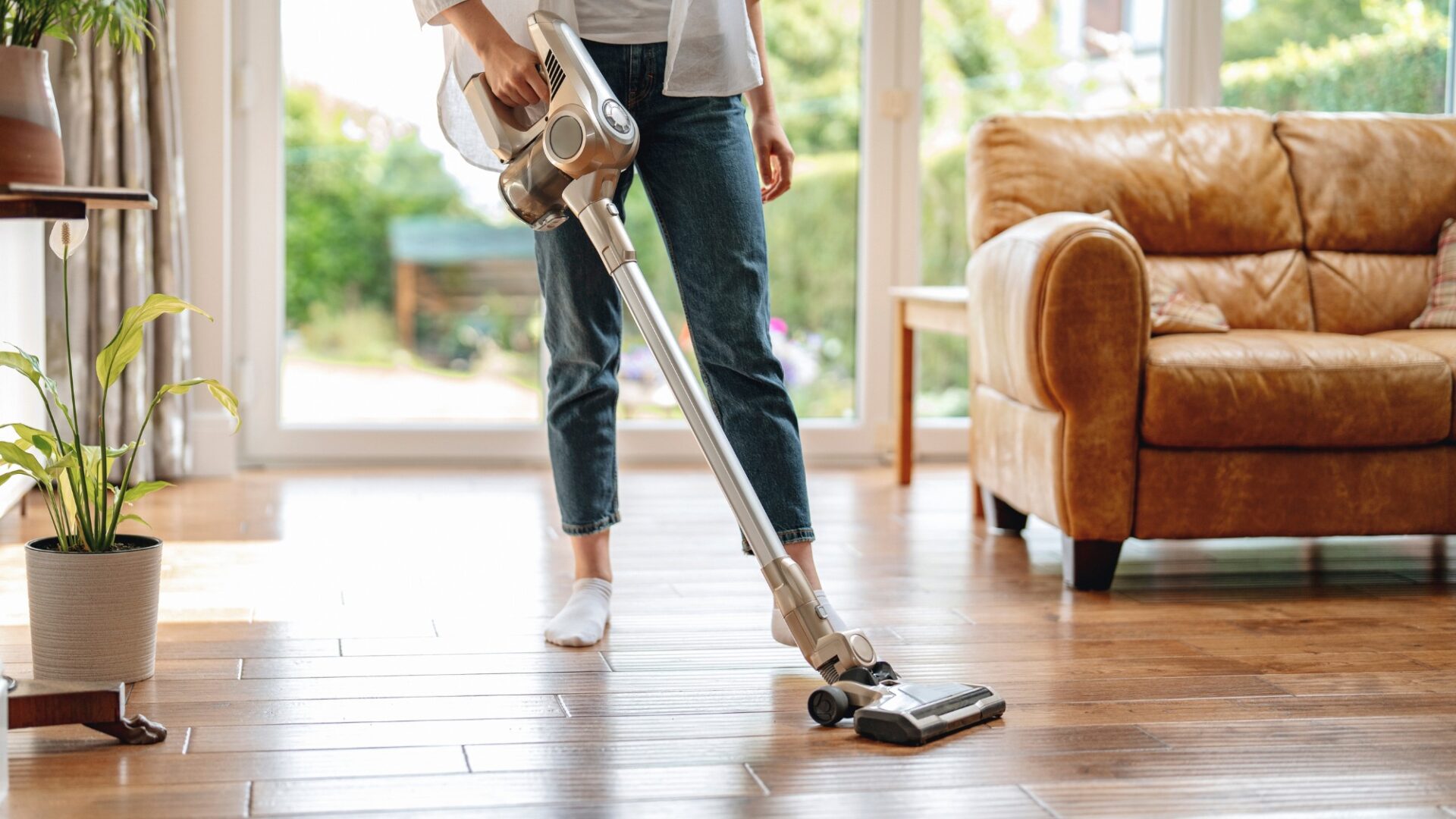
- Hardwood: Sweep or vacuum with a soft-bristle attachment regularly. Use a microfiber mop and a cleaner made for wood floors. Avoid soaking the surface with water.
- Luxury Vinyl Plank (LVP): Use a damp mop and a mild, pH-neutral cleaner. Avoid wax or polish, which can leave a film. Our guide to cleaning luxury vinyl plank covers safe products.
- Carpet: Vacuum high-traffic areas two to three times a week and schedule professional cleanings once a year.
- Tile: Sweep or vacuum often to prevent grit from scratching the glaze. Mop with warm water and mild detergent, and reseal grout every few years.
Consistency is key. Even five minutes a day can extend the life of your floors.
2. Protect Against Dirt and Grit
Grit acts like sandpaper, dulling finishes and scratching surfaces. Use doormats at every entrance and encourage family and guests to remove shoes indoors. In winter, keep a boot tray near the door to catch melting snow and salt before it reaches the floor. Our guide to protecting entry floors from road salt has the full winter routine.
For homes in and around Madison, where winters can be long, this simple habit helps prevent lasting damage.
3. Manage Moisture and Humidity
Moisture is one of flooring’s biggest enemies, especially in Wisconsin’s variable climate.
- Use a dehumidifier in summer to prevent expansion in wood and vinyl floors.
- In winter, a humidifier helps keep air moisture balanced and reduces shrinking or cracking.
- Wipe up spills immediately, especially on hardwood or laminate.
- Use waterproof mats under sinks, pet bowls, and laundry machines.
For wood floors, the NWFA (National Wood Flooring Association) recommends keeping your home at 30 to 50 percent RH (relative humidity) and 60 to 80 degrees F. Our indoor humidity guide for wood floors shows how to hold that range.
4. Use the Right Cleaning Tools
The wrong tools can scratch or dull your floors. Use:
- Soft microfiber mops or cloths
- Non-abrasive scrub pads for tile grout
- Vacuum cleaners with adjustable beater bars or brush roll settings
Avoid harsh scrubbing brushes or steam mops unless your flooring manufacturer specifically approves them.
5. Add Floor Protectors to Furniture
Furniture legs can leave deep scratches, dents, or pressure marks. Add felt pads or rubber protectors under chair and table legs, and replace them regularly. If you move furniture often, consider using furniture sliders to avoid dragging.
6. Use Area Rugs in High-Traffic Zones
Rugs and runners do more than decorate a room. They protect your floors from wear, especially in hallways, living rooms, and entryways. For hardwood and vinyl, use non-slip rug pads that are safe for your flooring finish. Avoid rubber or latex-backed mats that can trap moisture.
7. Watch for Signs of Wear
Inspect your floors regularly for signs of damage. Catching small problems early can prevent major repairs later.
- For hardwood, look for dull spots or worn finish. Those are signs the floor may need refinishing.
- For vinyl or laminate, check for lifting edges or gapping.
- For carpet, trim loose threads instead of pulling them.
A few minutes of attention each month helps maintain the value of your flooring.
8. Avoid Harsh Chemicals
Strong cleaners can strip protective coatings and discolor finishes. Stick with manufacturer-approved products or simple solutions like diluted dish soap. Never use ammonia, bleach, or oil-based cleaners unless the label says it’s safe for your specific flooring type.
9. Maintain Consistent Indoor Temperature
Floors expand and contract with temperature changes. Keep your home at a steady temperature year-round to prevent gapping or warping. In Wisconsin, this also helps reduce wear from humidity swings in summer and dry indoor air in winter.
10. Schedule Professional Maintenance
Even with the best care, every floor benefits from professional attention.
- Hardwood needs refinishing when the finish wears through in the traffic lanes, which often takes many years. Your floor’s manufacturer or an in-home look can tell you when.
- Carpet should be deep-cleaned annually.
- Tile and grout can be steam-cleaned for a fresh, like-new look.
Professional maintenance restores beauty and extends your floor’s lifespan far beyond what basic cleaning can achieve.
Sources: NWFA: Problem Prevention, NWFA: Maintenance, NWFA: Avoiding Winter Weather Woes and Carpet and Rug Institute: Cleaning and Maintenance.
Floor Maintenance Questions
Can a rug pad damage hardwood or vinyl floors?
Yes, the wrong rug pad can damage a floor even while the rug protects it. Rubber and latex-backed rugs and mats can trap moisture against hardwood and can leave yellow or brown stains on luxury vinyl. Choose a pad your flooring manufacturer approves, often felt or one labeled safe for vinyl, and lift the rug during deep cleaning so grit does not collect underneath.
What is preventive floor maintenance?
Preventive floor maintenance means caring for a floor on a schedule so wear never gets a head start. Weekly, that is removing grit before it scratches; each season, it is checking felt pads and mats and adjusting humidity when the furnace runs from October into April. Once a year, it is a professional carpet cleaning and a close look at the finish in your busiest traffic paths.
Do waterproof floors need special maintenance?
Waterproof floors like luxury vinyl and porcelain tile need less care than wood, but they still need some. Grit is still the main enemy, so sweep or vacuum often and keep mats at every door. Wipe up standing water at seams and edges, because a waterproof surface does not make the subfloor underneath waterproof.
How do I know if my floor needs more than cleaning?
Your floor needs more than cleaning when you see worn traffic paths through the finish, planks lifting or gapping, or carpet that ripples or has seams opening. Those are signs that no cleaner will fix. Harmony Flooring can look at it and tell you what it needs, whether that is refinishing, a repair, restretching or a new floor.
Keep Reading
- Cleaning Mistakes That Ruin Floors (and What to Do Instead)
- Prevent Flooring Fade From Sunlight: Practical Tips for Madison Homes
- Hardwood Flooring in Madison, WI: styles, brands and how to choose
Final Thoughts
Caring for your floors doesn’t have to be complicated. A few smart habits, regular cleaning, and occasional professional care can keep them looking new for decades.
At Harmony Flooring, we’re proud to help homeowners across Madison, Verona, and Sun Prairie choose and maintain floors that stand the test of time. If you need advice on cleaning products or on caring for worn hardwood, our team is here to help.
Ready to give your floors the care they deserve? Visit our Madison showroom or schedule a consultation, and we can look at your floors and tell you what they need.
At Harmony Flooring, we’re proud to be Covering Every Detail.
Planning New Floors in the Madison Area?
Get a free in-home estimate. We measure, bring samples to your kitchen table and give you one written price. No obligation.
Call or text 608-221-5500Schedule a Free Visit
Shop our floors: Hardwood · Vinyl · Carpet · Tile · Laminate
Showroom: 2125 S. Stoughton Rd, Madison, WI 53716
You Might Also Like
-
- Floor Care and Cleaning
- Buying Guides
November 27, 2026
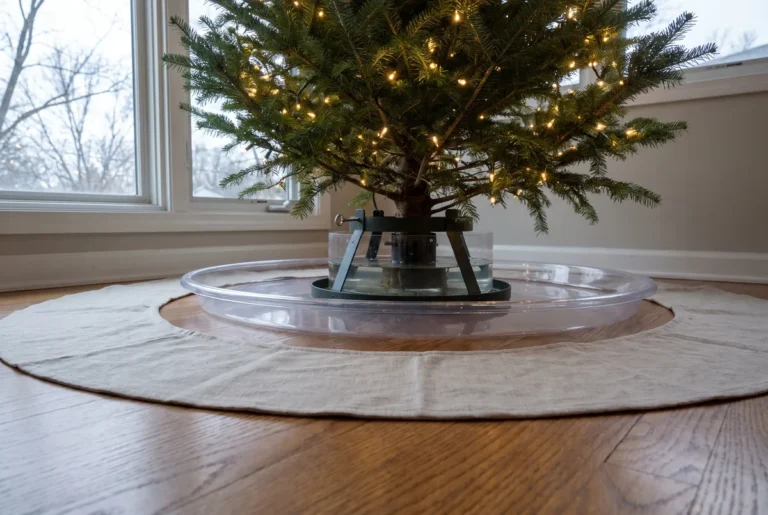
Christmas Tree Floor Protection: Stand, Sap and Needles
-
- Rooms and Design
- Buying Guides
November 16, 2026
2027 Flooring Trends: What’s In and Out for Madison Homes
-
- Commercial Flooring
- Floor Care and Cleaning
November 10, 2026
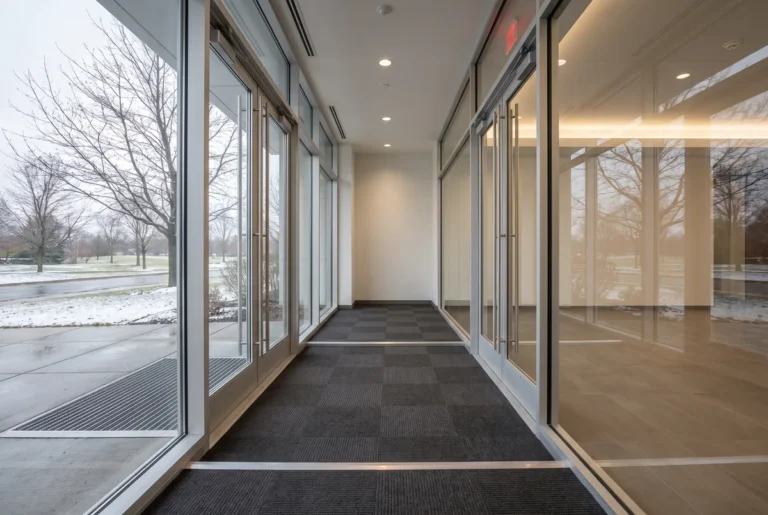
Commercial Entrance Matting and Floors for Wisconsin Winters

