

- Flooring
How to Prevent Moisture Damage in Your Basement Floors
December 11, 2025
Why Basement Moisture Is a Real Problem in Wisconsin
If you have a basement in Wisconsin, you have probably dealt with moisture at some point. Maybe you have noticed a damp smell after heavy rain, or perhaps you have seen small bubbles in your flooring. Moisture problems are extremely common here because of our changing seasons and heavy humidity in summer.
When water sneaks in, it can quietly ruin flooring, damage subfloors, and lead to mold growth. Even minor moisture can make a basement feel cold and uncomfortable. At Harmony Flooring, we have seen the same story many times. A homeowner installs a beautiful new floor, but without moisture protection, it starts to warp or buckle within a year.
The good news is that you can absolutely prevent this. With the right materials and preparation, your basement can stay dry and beautiful for decades.
Understand Where the Moisture Comes From
Not all basement moisture comes from flooding. In fact, most of it happens quietly and slowly. Knowing the source of the problem is the first step in fixing it.
Here are the most common causes:
- Groundwater Seepage: Water in the soil can push through small cracks or pores in your foundation.
- Condensation: When warm, humid air hits cool concrete, moisture collects on the surface.
- Plumbing Leaks: Even a small drip from a water heater or pipe can cause big problems over time.
- Improper Grading or Gutters: If water flows toward your house instead of away from it, it can pool along the foundation and soak into the concrete.
Each of these problems requires a slightly different approach, but all of them can be managed with planning and maintenance.
Fix Water and Drainage Issues Before Installing Flooring
Before you even think about new flooring, make sure your basement is as dry as possible.
Start outside. Walk around your home during or after a rainstorm. Watch how water drains. If it pools near your walls, you may need to adjust your grading or add downspout extensions. Gutters should always direct water at least six feet away from your foundation.
Inside, check for cracks in your basement walls or floor. Seal any small gaps with a quality concrete patch or waterproof sealant. If you have a sump pump, test it regularly to make sure it is working correctly.
These steps are not exciting, but they are essential. The most beautiful floor in the world will not last long if water continues to find its way inside.
Test for Hidden Moisture
Even if your basement feels dry, that does not mean it is. Concrete is porous, which means it can hold moisture you cannot see.
Here are two simple ways to test for it:
1. The Plastic Sheet Test
Tape a two-foot-square piece of clear plastic to your basement floor. Seal all edges tightly and leave it for at least 24 hours. If condensation appears under the plastic, you have moisture vapor coming through the concrete.
2. A Moisture Meter
These are available at most hardware stores. Press the meter against your floor to get an accurate reading of the moisture level.
If your test shows significant moisture, you will need to install a vapor barrier or use materials designed specifically for basements.
Choose Moisture-Resistant Flooring Materials
Basements need flooring that can handle damp air and the occasional water spill. Many homeowners make the mistake of installing hardwood or traditional carpet, which simply do not hold up.
Here are the best flooring options for Wisconsin basements:
Luxury Vinyl Plank (LVP)
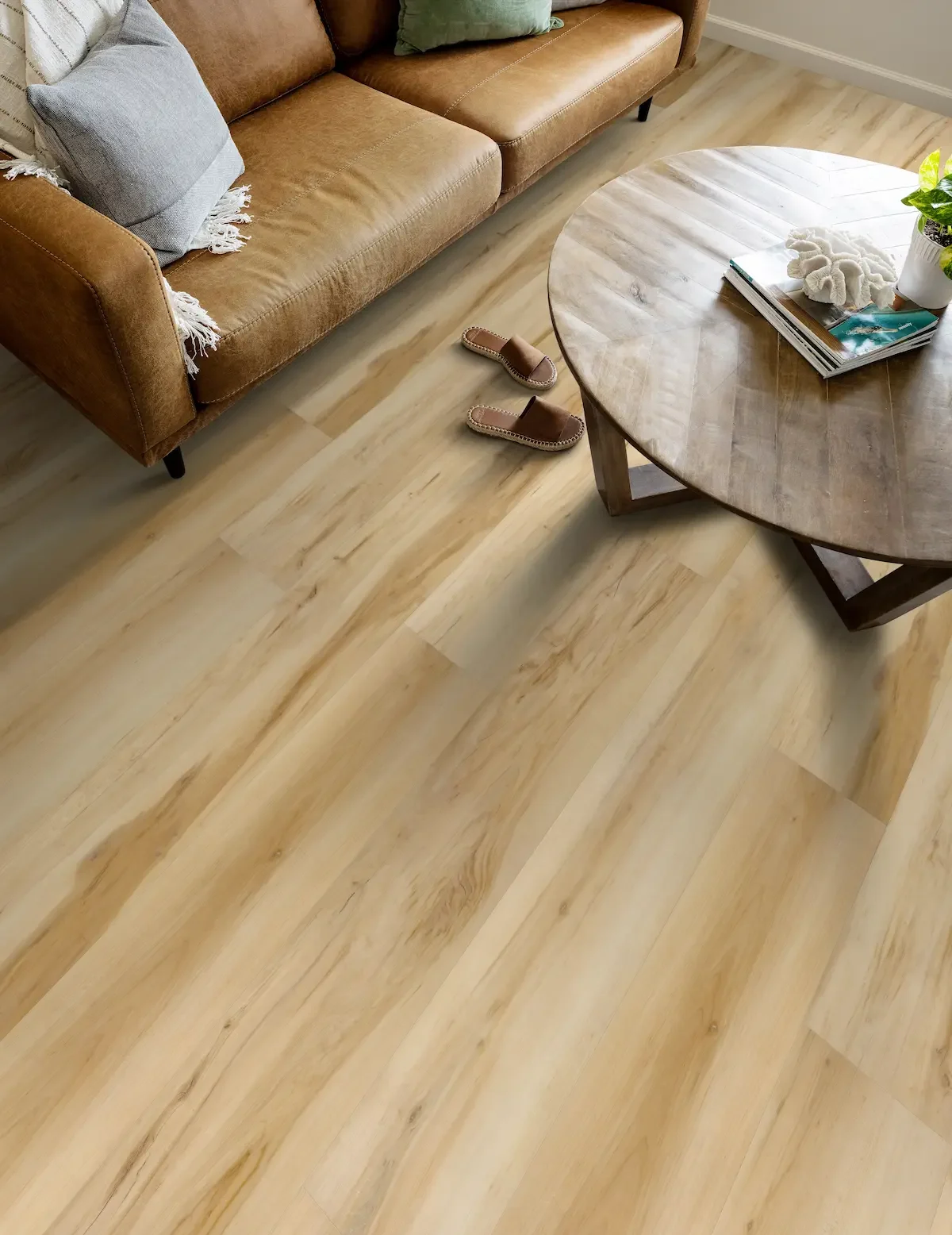
This is one of the most popular choices for finished basements. LVP is completely waterproof, durable, and warm underfoot compared to tile. It comes in hundreds of styles, including realistic wood and stone looks.
Ceramic or Porcelain Tile
Tile is another excellent choice because it is waterproof and easy to clean. If you want to make the space warmer, consider pairing it with radiant floor heating.
Carpet Tile
If you prefer a soft surface, carpet tile is safer than traditional carpet because individual tiles can be replaced if they get wet. Choose tiles made with moisture-resistant backing.
Rubber or Vinyl Composite Flooring
Great for playrooms, home gyms, or laundry areas. These materials resist water, offer good traction, and are easy to maintain.
Avoid materials like solid hardwood or traditional laminate. They tend to warp or swell when exposed to moisture and are not recommended below grade.
Install a Vapor Barrier
A vapor barrier is one of the most effective ways to protect your basement floor from hidden moisture. It is a plastic or rubber membrane placed between the concrete subfloor and the finished flooring.
This layer blocks vapor from rising into your floor. It is inexpensive, easy to install, and can add years of life to your flooring. Some products, like luxury vinyl, even include built-in barriers for added protection.
Harmony Flooring Tip: Always make sure your vapor barrier is properly sealed at seams and edges. Even small gaps can allow moisture to sneak through.
Control Humidity Year-Round
Wisconsin summers can be muggy, and basements tend to trap that moisture. A dehumidifier can make a huge difference in keeping your floors dry. Aim to keep your basement’s relative humidity between 30 and 50 percent.
Also, make sure your HVAC vents are open and that air circulates freely. Even simple things like running a fan or keeping basement doors open can help reduce humidity.
Regular Maintenance and Monitoring
Moisture prevention is not a one-time project. Make it part of your home maintenance routine.
- Check for condensation or water stains regularly.
- Clean dehumidifier filters and empty water trays as needed.
- Inspect the sump pump twice a year.
- Watch for new cracks or discoloration on your floor.
Catching small issues early can save you from costly repairs later.
The Best Long-Term Investment for Wisconsin Homes
Protecting your basement flooring from moisture is one of the smartest home investments you can make. It keeps your space comfortable, improves indoor air quality, and prevents expensive damage down the road.
At Harmony Flooring, we specialize in basement flooring solutions that are both beautiful and durable. Our team can help you choose waterproof materials, install vapor barriers, and ensure your floor performs well in every season. We’ve worked with homeowners across Madison, Sun Prairie, Verona, and nearby towns who want basements that feel like an extension of their main living space, not a damp storage area.
If you are planning a basement renovation or just want to make sure your current floors are protected, we are happy to help.
Harmony Flooring: Covering Every Detail.
You Might Also Like
-

- Flooring
March 3, 2026
One Flooring Throughout the House: Pros and Cons for Wisconsin Homes
-
- Flooring
February 26, 2026
What Flooring Lasts the Longest? A Complete Guide for Wisconsin Homeowners
-
- Flooring
February 24, 2026
Heated Tile Floors: Cost and Comfort for Wisconsin Homes

