

- Flooring Comparisons
- |
- Buying Guides
Hardwood vs. LVP Flooring: Which is Right for Your Madison Home?
April 7, 2026

Reviewed by Kevin Sill, Owner, Harmony Flooring
Choosing between hardwood and luxury vinyl plank (LVP) is one of the biggest flooring decisions you’ll make, whether you start with the hardwood we carry in Madison or our vinyl plank flooring in Madison. Both are popular, both look beautiful, but they’re very different products with different lifespans, maintenance requirements, and costs. The right choice depends on your lifestyle, budget, and home’s needs. Let’s break down the key differences to help you decide.
The Short Answer: Hardwood is the long-term pick for living rooms and bedrooms, because it can be refinished many times. LVP is the pick for kitchens, baths, basements and busy homes, because the planks are waterproof. Many Madison homes use both.
Cost Comparison
Hardwood is a premium investment. Species, plank width, and finish drive the cost. Solid hardwood often needs more subfloor prep and on-site work. Engineered hardwood usually costs a bit less than solid (our engineered vs solid hardwood guide compares the two).
LVP usually costs less than hardwood. The line, the wear layer, and the plank thickness drive its cost. You get a wood-look floor for less. If budget is a major factor, LVP wins here. Tear-out and subfloor repair affect both, so see what affects flooring cost or call for a real number.
Durability & Lifespan
Hardwood is incredibly durable. With proper care and refinishing every 10 to 15 years, hardwood floors can last 50+ years. Often longer. They can be sanded and refinished multiple times, essentially giving them a second life. This longevity is why hardwood adds value to homes.
LVP is highly durable too, but different. It won’t scratch or dent easily (unlike hardwood), resists water damage (unlike hardwood), and lasts 15 to 25 years under normal use. It can’t be refinished. When it wears out, you replace it. For busy families and pet owners (see our pet-friendly flooring guide), LVP’s scratch resistance is a major plus.
Moisture & Water Resistance
Hardwood is NOT water-resistant. Spilled water, pets, or humidity can cause swelling, cupping, and staining. Hardwood is a poor choice for kitchens, bathrooms, basements, or homes with pets prone to accidents. If moisture is a concern, hardwood requires serious forethought.
LVP is waterproof. Water won’t damage the planks themselves (our guide to what waterproof really means for LVP covers the limits). This makes LVP ideal for kitchens, bathrooms, mudrooms, and basements. Those are rooms where hardwood would be risky. Families with children and pets love LVP for this reason.
Maintenance & Care
Hardwood requires ongoing care: regular sweeping or vacuuming, a cleaner made for wood floors, and avoiding excess water. You’ll need to refinish every 10 to 15 years (a significant investment; our refinish or replace guide explains the choice). High-traffic areas wear faster. Pets’ nails can scratch the finish, and sunlight causes color changes over time.
LVP is low-maintenance. Sweep or vacuum, wipe with a damp microfiber cloth, and you’re done. It’s incredibly forgiving. Spills are easy to clean, and it resists staining. No refinishing needed. Perfect for busy households.
Installation Timeline
Hardwood installation is more involved. The subfloor must be prepared carefully (hardwood is sensitive to moisture), and installation typically takes 2 to 3 days for a residential space. The wood also needs time to acclimate inside your home before it goes down. Some hardwood is sanded and finished on site, and that finish needs time to cure before full use, which extends the timeline.
LVP is faster. Installation usually takes 1 to 2 days, and you can walk on it immediately. It still needs a flat, properly prepared subfloor, and acclimation depends on the product, so we follow the manufacturer’s instructions. If you need flooring fast, LVP is the answer.
Aesthetics & Feel
Hardwood offers authentic wood grain, natural variations, and timeless beauty. No two boards are identical. It feels warm underfoot and has a classic appeal that increases home value. It’s the luxury choice aesthetically.
LVP has improved dramatically. Modern LVP looks very similar to real hardwood at first glance. It feels slightly different underfoot (more like plastic) and lacks the natural variation of real wood. Some people notice the difference; many don’t. Our LVP buying guide covers what to check before you choose a plank.
Sources: NWFA: Added Value, NWFA: Problem Prevention, NWFA: Maintenance and COREtec Scratchless installation instructions.
Hardwood vs LVP Questions
What is the difference between engineered hardwood and LVP?
Engineered hardwood is real wood: a hardwood top layer bonded to a plywood or composite core. LVP is a synthetic plank with a printed wood visual under a protective wear layer. Many engineered floors can be sanded and refinished if the wood layer is thick enough, while LVP is waterproof and gets replaced rather than refinished when it wears out.
Is waterproof engineered hardwood as good as LVP in wet rooms?
Not quite. Waterproof or water-resistant engineered hardwood has sealed surfaces and edges that give you more time to clean up a spill than standard hardwood, but it still has a wood layer that standing water can damage over time. LVP planks themselves are not harmed by water, which is why we usually steer wet rooms like basements, laundry rooms and full baths toward vinyl. Read the manufacturer’s warranty to see exactly what water exposure it covers.
Does hardwood or LVP feel warmer in a Wisconsin winter?
Hardwood usually feels warmer underfoot than LVP. Wood is a natural insulator, so it does not pull heat from bare feet the way a denser vinyl or stone-composite plank can on a January morning in Madison. Area rugs in the main living spaces narrow the gap during the heating season, October into April.
Which Should You Choose?
Many Madison homeowners choose a hybrid approach: hardwood in bedrooms and living rooms, LVP in kitchens and bathrooms. This gives you the luxury of hardwood where it’s practical and the durability of LVP where it’s needed. If hardwood wins for your main rooms, our local guide to hardwood flooring in Madison is the next step.
Want to compare an oak plank and a vinyl plank in your own living room? Upload a photo to our room visualizer, then bring the looks you like to your free in-home visit.
Whatever you choose, the quality of installation matters as much as the material itself. Poor installation leads to squeaks, gaps, and early wear. At Harmony Flooring, we work with trusted local installers on both hardwood and LVP, and one coordinator keeps your project on track.
Questions About Your Floors?
Call or text 608-221-5500Schedule a Free Consultation
Shop our floors: Hardwood · Vinyl · Carpet · Tile · Laminate
Showroom: 2125 S. Stoughton Rd, Madison, WI 53716
You Might Also Like
-
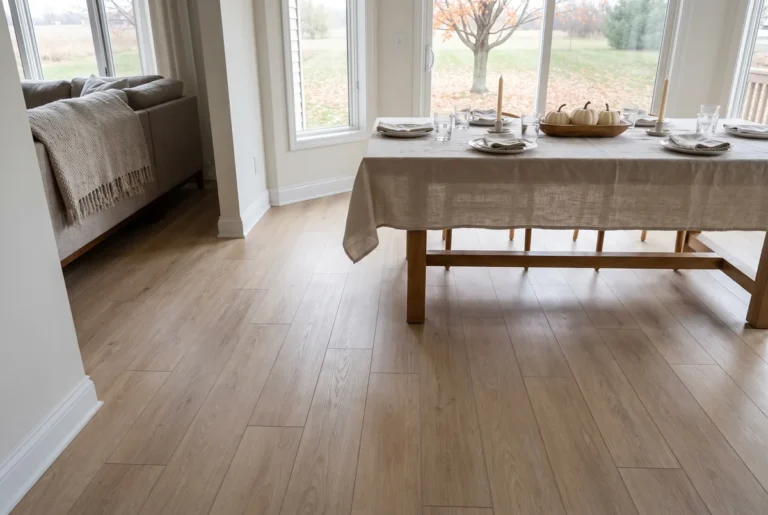
- Installation and Project Planning
- Buying Guides
October 21, 2026
New Floors Before the Holidays in Madison: What’s Realistic
-
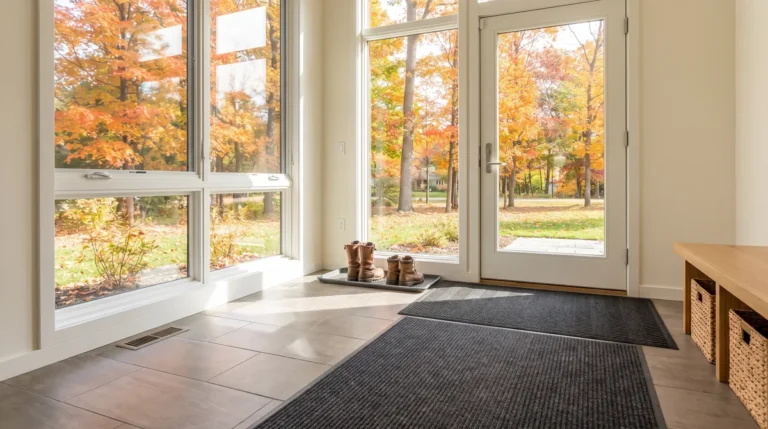
- Floor Care and Cleaning
- Buying Guides
October 19, 2026
Protect Entryway Floors From Salt and Ice Melt in Wisconsin
-
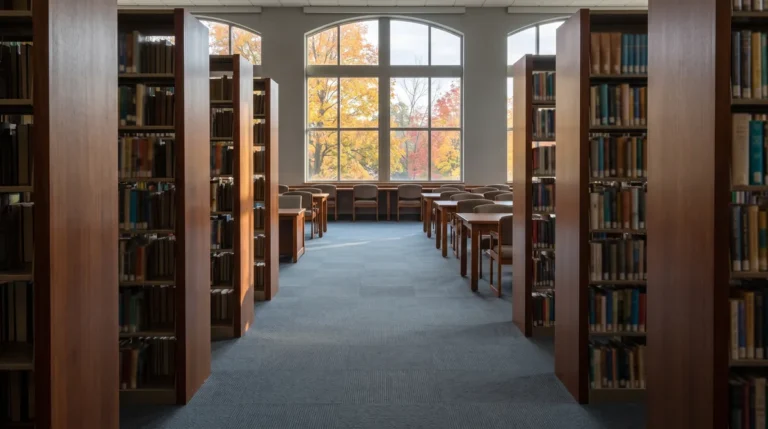
- Commercial Flooring
- Buying Guides
October 16, 2026
Municipal Building Flooring: A Wisconsin Buyer’s Guide

