

- Flooring
Heated Floors 101: Best Flooring Types for Radiant Heat Systems
December 16, 2025
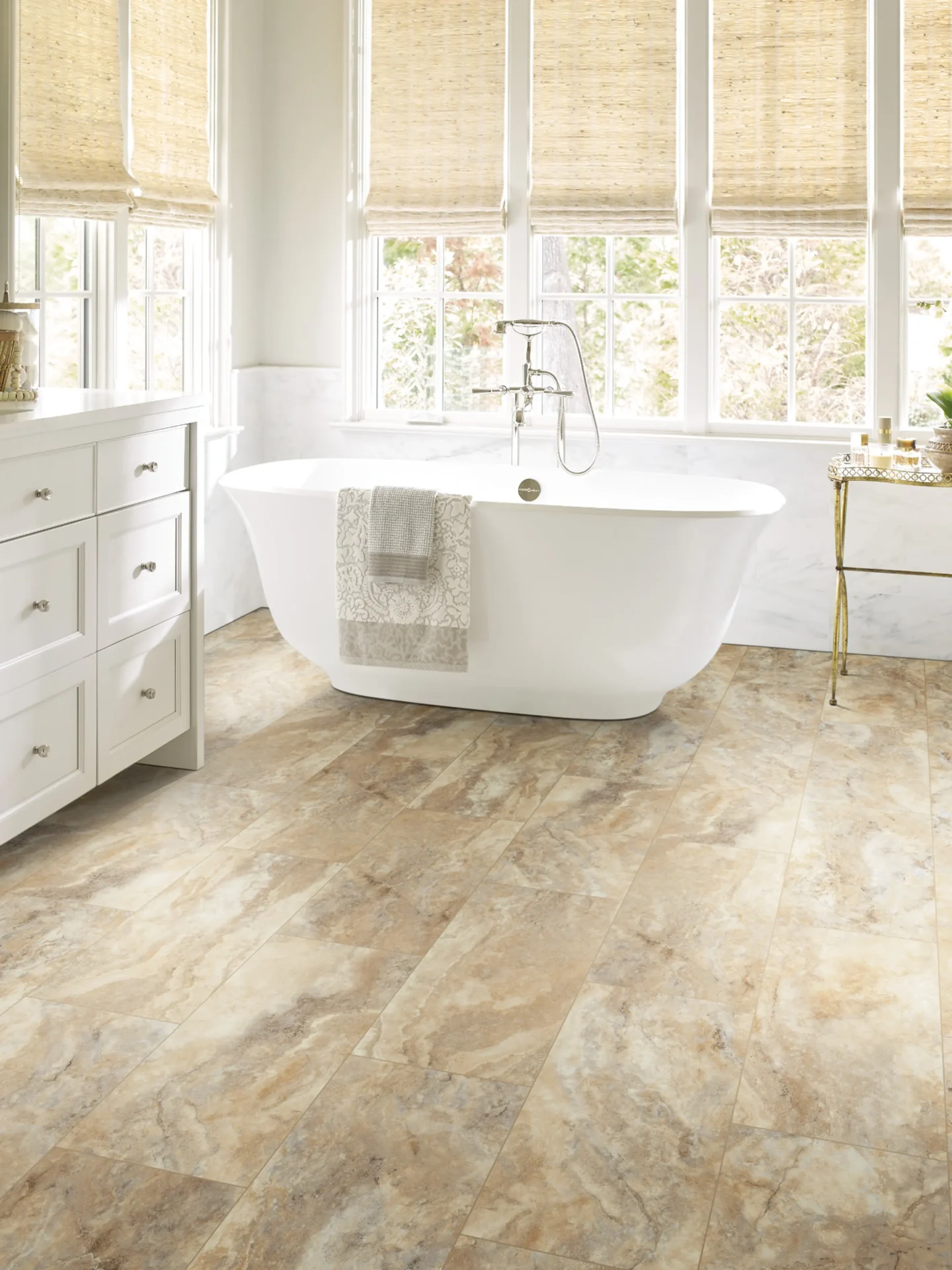
Warm Floors, Happy Feet
If you have ever stepped onto a warm floor on a cold Wisconsin morning, you know the feeling. Heated floors make a home more comfortable and energy efficient, especially in our long winters. They take the chill out of tile, make basements cozy, and help maintain consistent warmth throughout your living spaces.
At Harmony Flooring, we work with homeowners across Madison, Verona, and Sun Prairie who are upgrading to radiant heat systems. Many people ask the same question: Which flooring works best with heated floors? The answer depends on your comfort goals, your budget, and your style preferences.
This guide explains how radiant floor heating works, the benefits of this system, and which flooring types perform best with it.
How Radiant Heat Systems Work
Radiant heating warms your home from the ground up. Instead of heating air like a forced-air furnace, radiant systems heat the floor itself, which then evenly radiates warmth throughout the room. This method feels natural, efficient, and surprisingly quiet.
There are two main types of radiant heat systems:
1. Hydronic Systems
Hydronic systems use warm water that circulates through flexible tubing installed beneath your flooring. A boiler heats the water, which moves through the tubes and distributes heat evenly across the surface. These systems are energy efficient and are often used in larger homes or whole-house installations.
2. Electric Systems
Electric radiant heating uses electric cables or mats installed beneath the floor. They heat up quickly and are easier to install than hydronic systems, making them ideal for single rooms such as bathrooms, basements, or kitchens.
Both systems require careful flooring selection because not all materials conduct or withstand heat the same way.
The Benefits of Heated Floors
Wisconsin winters can last half the year, which makes radiant heat a smart investment for comfort and energy savings.
Here’s why homeowners love it:
- Consistent warmth: No more cold spots or chilly air near vents.
- Energy efficiency: Radiant systems heat surfaces, not air, so warmth stays lower and more even.
- Better air quality: Unlike forced-air systems, radiant heat does not circulate dust or allergens.
- Silent operation: No fans, vents, or blowing noise.
- Design flexibility: Works with many flooring types and eliminates the need for bulky radiators.
Radiant floors pair especially well with open-concept layouts and homes that use tile or hard-surface flooring, which conduct heat efficiently.
The Best Flooring Types for Radiant Heat Systems
Some floors transfer heat beautifully, while others act as insulators that trap warmth below the surface. When choosing your flooring, focus on materials that allow heat to rise efficiently without damage or warping.
Here are the top flooring options recommended by our team at Harmony Flooring.
Porcelain and Ceramic Tile
Tile is the gold standard for radiant heating. It conducts heat better than almost any other flooring material and retains warmth long after the system turns off.
Why it works:
- Excellent thermal conductivity
- Moisture resistant and durable
- Even heat distribution
- Ideal for bathrooms, kitchens, and basements
Tile floors work perfectly with both hydronic and electric systems. They are especially common in Wisconsin bathrooms and lower levels where traditional floors can feel cold.
If you are worried about comfort, consider larger tiles with minimal grout lines to create a smoother, warmer surface.
Harmony Flooring Tip: Use flexible thinset and grout designed for heated floors to prevent cracking from expansion and contraction.
Luxury Vinyl Plank (LVP)
Luxury Vinyl Plank has become one of the most popular flooring choices for homeowners adding radiant heat. It offers the realistic look of wood or stone while being completely waterproof and comfortable underfoot.
Why it works:
- Stable enough to handle temperature changes
- Warms up quickly and evenly
- Waterproof and ideal for basements or bathrooms
- Softer and quieter than tile
Not all vinyl products are rated for radiant heat, so it is important to choose one that is specifically approved by the manufacturer. Most high-quality LVP products can handle temperatures up to about 85°F (29°C) without warping or discoloring.
Where it works best:
Basements, kitchens, and living areas that need both warmth and durability.
Local insight:
LVP performs exceptionally well in Wisconsin’s climate because it handles both moisture and cold. It also pairs beautifully with radiant heat systems installed over concrete.
Engineered Hardwood
If you love the look of real wood but worry about how it will handle radiant heat, engineered hardwood is your best option. Unlike solid hardwood, engineered wood has multiple layers that make it more stable and less likely to expand or contract with temperature changes.
Why it works:
- Real wood veneer provides natural warmth and texture
- More dimensionally stable than solid hardwood
- Compatible with both hydronic and electric systems
- Can be refinished depending on the wear layer thickness
Engineered wood transfers heat effectively when installed correctly. The key is to maintain stable humidity levels to prevent cracking or gapping.
Harmony Flooring Tip: Choose a wood species that handles temperature changes well, such as oak, hickory, or walnut. Avoid softwoods like pine, which are more prone to movement.
Natural Stone Flooring
Natural stone such as slate, marble, or granite holds heat beautifully and gives your home a luxurious, timeless look. It is ideal for radiant heating because it warms slowly and retains heat for hours.
Why it works:
- Exceptional heat retention
- Extremely durable and long lasting
- Perfect for bathrooms, entryways, and kitchens
Stone does have one drawback: it can feel cool in unheated areas. Pairing it with radiant heat solves that problem completely.
Harmony Flooring Tip: Use a professional installer who understands both stone setting and radiant systems to prevent uneven heating or tile cracking.
Laminate Flooring (with Caution)
Laminate flooring can work with radiant heat if it is specifically rated for it. The challenge is that low-quality laminate or improper installation can trap heat and cause damage.
If you love the look and price point of laminate, choose a premium product with a moisture barrier and manufacturer approval for radiant heating. Always follow the temperature limits and installation instructions carefully.
Flooring Materials to Avoid with Heated Floors
Some materials simply do not perform well with radiant systems.
- Solid Hardwood: Expands and contracts too much with temperature changes, which can lead to gaps or cracking.
- Carpet: Acts as insulation and blocks heat transfer. If used, keep the pile low and use a thin pad.
- Rubber Flooring: Can retain heat unevenly and may emit odors when heated.
For consistent, reliable warmth, it is best to stick with materials that have proven thermal performance.
Installation Tips for Radiant Heat Flooring
Choosing the right flooring is only half the process. Proper installation is what makes your radiant system perform at its best.
1. Start with a clean, level subfloor.
Uneven surfaces can affect both heating efficiency and flooring stability.
2. Always include a vapor barrier.
This protects your system from moisture, especially in basements or on concrete slabs.
3. Follow manufacturer recommendations.
Different flooring materials have specific temperature limits and installation requirements.
4. Work with professionals who understand radiant systems.
At Harmony Flooring, our installers coordinate directly with heating contractors to ensure a perfect fit and finish.
5. Allow for acclimation.
Before installation, let your flooring adjust to room temperature and humidity levels for at least 48 hours.
Energy Efficiency and Long-Term Benefits
Radiant heat systems are not just about comfort; they also save energy. Because heat rises naturally from the floor, rooms stay warmer at lower thermostat settings. You get consistent warmth without the drafts or uneven temperatures that come with traditional forced-air systems.
When paired with efficient flooring like tile or vinyl, you can reduce energy usage by up to 15 to 30 percent compared to a conventional furnace.
Bringing Warmth to Wisconsin Homes
Radiant floor heating transforms the way your home feels in winter. No more cold mornings, chilly basements, or uneven heating. The right flooring choice will make your system efficient, comfortable, and long lasting.
Tile and natural stone offer the best heat transfer. Luxury vinyl plank provides warmth, style, and durability. Engineered hardwood brings timeless beauty and stability. Each one can create a warm, inviting home when installed properly.
At Harmony Flooring, we help Wisconsin homeowners choose the perfect combination of materials and design for their radiant heating systems. Whether you are remodeling a single bathroom or finishing a basement, our team will guide you through every step to ensure your floors look beautiful and perform perfectly for years.
Ready to bring lasting warmth to your home? Visit our Madison showroom or schedule a free in-home consultation.
Harmony Flooring: Covering Every Detail.
You Might Also Like
-

- Flooring
March 26, 2026
Best Carpet for Bedrooms: How to Choose the Right Style, Fiber, and Cushion
-
- Flooring
March 24, 2026
Vinyl Sheet Flooring vs LVP: Which One Fits Your Home (Or Business) Better?
-
- Flooring
March 19, 2026
Best Laminate for Basements in Wisconsin: What to Look For (And When to Skip It)

