- Buying Guides
How to Choose Flooring That Matches Your Cabinet and Wall Colors
December 4, 2025
Why Coordination Matters
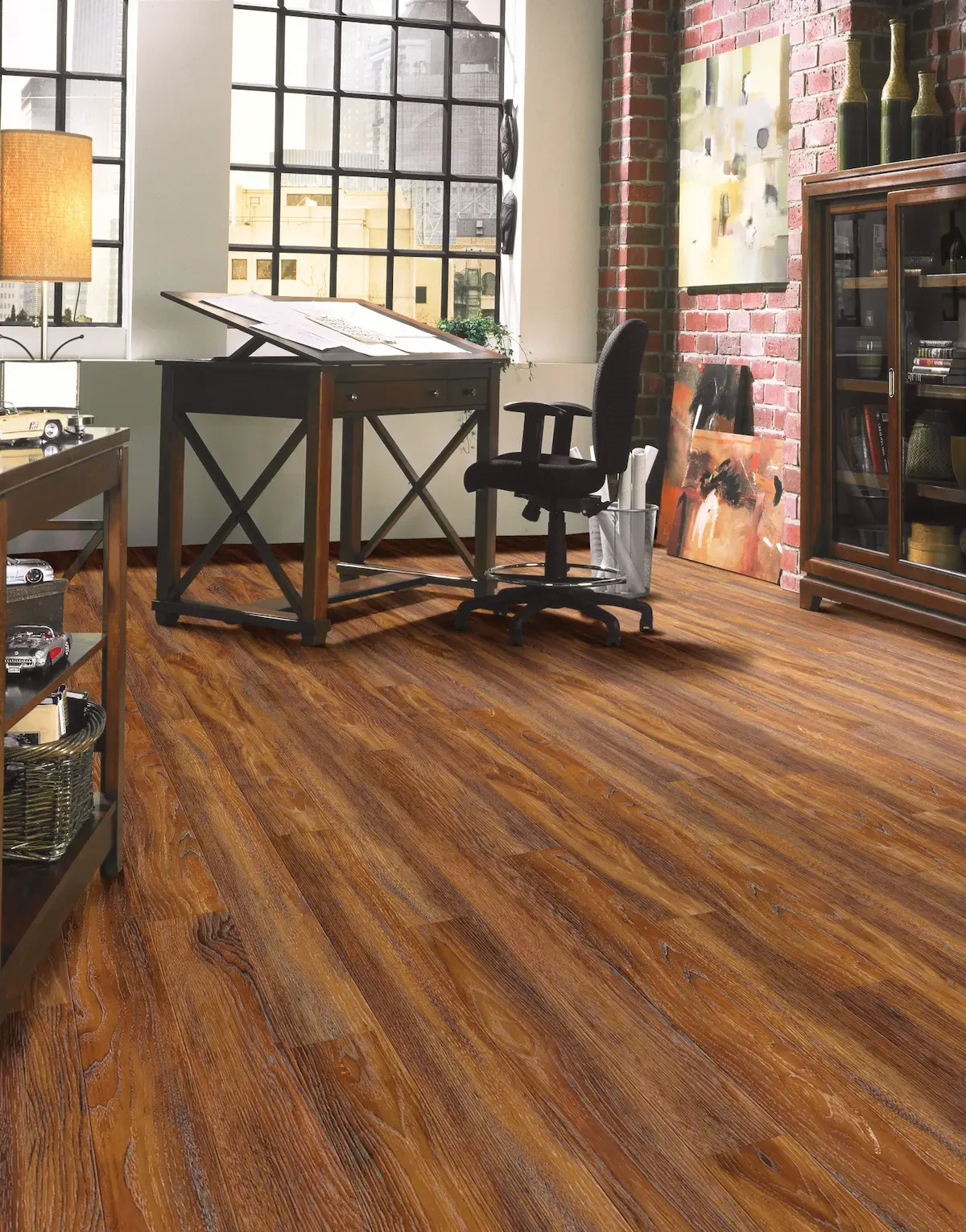
When you walk into a beautifully designed home, you might not immediately notice why everything feels right. Often it comes down to color balance. The flooring, cabinets, and walls are in sync. Nothing clashes, nothing competes, and the entire space feels warm and cohesive.
The Short Answer: To match floor and cabinet colors, keep both in the same undertone family, warm, cool or neutral, and leave at least two shades of contrast so the room does not look flat. Flooring that matches cabinets usually means darker floors under light cabinets or lighter floors under dark ones. Test samples beside your cabinets in your own light.
Many Wisconsin homeowners struggle to find flooring that works with their cabinets and wall colors. With so many tones, materials, and finishes to choose from, it can be overwhelming. At Harmony Flooring, we help homeowners in Madison and surrounding areas simplify those choices and create rooms that look professionally designed and naturally connected.
The key is understanding how color, light, and texture work together. With a little guidance and planning, you can choose flooring that feels timeless and fits perfectly into your home.
Step 1: Identify Your Home’s Color Temperature
Before you pick a single sample, take a step back and identify your home’s color temperature. Every color leans warm, cool, or neutral.
- Warm colors include tones with yellow, red, or orange undertones, such as honey oak cabinets, beige walls, and golden wood flooring.
- Cool colors lean toward blue, green, or gray. Think white oak floors with gray undertones, white cabinets, and light blue or gray walls.
- Neutral colors fall somewhere in between, with subtle blends of beige, gray, and greige.
Many Wisconsin homes have warm wood trim or cabinetry, especially in older or craftsman-style houses. Newer builds tend to favor cooler grays and whites. Try to stay within the same color temperature so your flooring feels like part of the same design family.
If your kitchen has warm oak cabinets, flooring with warm undertones will complement them naturally. If you have crisp white cabinets or gray walls, cooler flooring choices such as white oak, stone, or gray-toned luxury vinyl create a clean, modern look.
Step 2: Match Your Flooring to Your Design Style
Beyond color, your flooring should reflect your home’s design style. Matching colors is one thing, but matching the overall feel is what makes a space look intentional.
Modern Farmhouse
White or cream cabinets pair beautifully with natural or weathered wood tones. Wide-plank flooring in light oak or gray luxury vinyl adds texture while keeping the space bright.
Traditional or Classic
Rich wood cabinets and warm wall colors look best with medium to dark hardwoods such as walnut, cherry, or hickory. These tones give depth and timeless character.
Contemporary
Sleek lines, minimal cabinetry, and neutral walls benefit from light flooring, such as natural maple or pale gray LVP. This combination keeps the space clean and open.
Scandinavian-Inspired
If your walls are white and your cabinetry is simple, pale wood flooring or neutral luxury vinyl enhances natural light and creates an airy feel.
Harmony Flooring Tip: Bring cabinet photos or paint samples when visiting our showroom in Madison. Seeing your materials in natural light makes it much easier to find the perfect match.
Step 3: Use Contrast Wisely
Everything in your room doesn’t have to match exactly. A little contrast adds energy and helps define each element. The trick is to balance light and dark tones so they complement one another.
- Light Cabinets with Dark Floors: White or cream cabinets paired with espresso or walnut flooring feel grounded and elegant.
- Dark Cabinets with Light Floors: Perfect for smaller spaces because it opens up the room. Try dark espresso cabinets with light oak or gray vinyl plank.
- Similar Tones with Slight Variation: If you want a unified look, choose tones within the same family but vary the shade slightly. Beige walls, taupe cabinets, and a slightly darker greige floor create quiet harmony.
Avoid matching your cabinets and floors too closely. When they’re the exact same color, the room can look flat. Keeping at least two shades of contrast between them helps each feature stand out naturally.
Step 4: Think About Lighting
Lighting changes how colors appear more than any other factor. Natural light, artificial light, and even time of day all affect the tones in your flooring.
- Rooms with cool northern light may make colors appear bluer or grayer.
- South-facing rooms bring in warm sunlight that can enhance wood tones.
- LED lighting emphasizes cooler shades, while warm bulbs enhance reds and yellows.
Wisconsin winters often mean limited daylight, so lighting choice becomes even more important. Always test samples in the same lighting your home gets daily. A floor that looks perfect under showroom lights may appear completely different at home.
Step 5: Let Flooring Complement, Not Compete
Your flooring should support the overall design of the room rather than fight for attention. If your cabinets have bold color or strong grain, choose a subtler floor. If your walls are neutral, you can let your flooring bring warmth or interest.
Examples:
- White cabinets and light gray walls feel balanced with medium brown oak flooring.
- Espresso cabinets and cream walls work beautifully with mid-tone maple or hickory.
- Dark blue or green walls look best with natural wood flooring in beige, sand, or greige.
In many Wisconsin homes, two-tone kitchens are popular. A neutral flooring choice ties upper and lower cabinets together so the design feels intentional.
Step 6: Pay Attention to Texture and Finish
Texture and finish can completely change the mood of a space. A glossy surface adds sophistication but may show dust more easily. A matte or hand-scraped finish adds warmth and hides daily wear.
Smooth Flooring: Reflects light and looks modern but can highlight imperfections.
Matte or Distressed Finishes: Hide dirt and scratches, ideal for high-traffic homes with kids or pets.
Wide Planks: Make large spaces feel expansive.
Narrow Planks: Add character and fit well in traditional layouts.
Combining different textures can add depth. Smooth cabinets with subtly textured flooring often create the perfect balance.
Step 7: Plan for the Whole House
Your flooring choice shouldn’t just work in one room. Think about how it connects to other areas. Open-concept layouts are common in Wisconsin homes, so consistent flooring helps create visual flow.
If you prefer variety, keep colors within the same tone family. For instance, medium oak in the kitchen and darker walnut in adjoining areas can work as long as both share warm undertones.
Luxury vinyl plank is a popular option because it allows a single flooring type to flow continuously through living areas, kitchens, and hallways while handling moisture and traffic with ease.
Step 8: Always Test Samples in Your Space
Even experienced designers never skip this step. Take flooring samples home and place them beside your cabinets and wall paint at different times of day. Morning light, evening light, and artificial light all reveal different undertones.
View the samples both in sunlight and under your usual indoor lighting before making a final decision. You’ll see which tones stay consistent and which ones shift unexpectedly.
Harmony Flooring offers in-home consultations throughout Madison, Middleton, and nearby towns so you can make decisions with real confidence.
Step 9: Match the Material to Your Lifestyle
A color combination can look beautiful, but if the material doesn’t hold up to your daily life, it won’t stay that way for long. Always choose flooring that fits how you live.
- Luxury Vinyl Plank (LVP): A family favorite because it’s waterproof, scratch-resistant, and easy to maintain. Works well in open-concept homes and kitchens.
- Engineered Hardwood: Offers authentic beauty with better resistance to humidity than solid wood. Excellent for main living areas.
- Tile: Perfect for high-traffic zones, entryways, or kitchens where durability and easy cleaning matter.
- Carpet: Adds warmth and softness in bedrooms or living rooms while balancing hard-surface areas elsewhere.
Each option comes in colors and finishes that can coordinate beautifully with your existing design.
Step 10: Trust Your Eye
Once you’ve done the planning, samples, and comparisons, trust your instincts. You’re the one who lives in the space, and what feels right to you is the best choice. Trends change, but comfort and harmony never go out of style.
Keep Reading
- The Best Type of Flooring for Every Room in Your Home
- Light vs Dark Flooring: Pros and Cons
- Hardwood Flooring in Madison, WI: styles, brands and how to choose
Bringing It All Together
Choosing flooring that matches your cabinet and wall colors isn’t about strict rules. It’s about creating a feeling of flow and balance. Stick to consistent undertones, use contrast thoughtfully, and always test colors in real light.
At Harmony Flooring, we help Wisconsin homeowners create beautiful, cohesive designs that work for everyday living. From warm, rustic wood tones to modern neutral planks, we’ll guide you through every step so your new flooring looks perfectly at home.
If you’re ready to find flooring that ties your space together, visit our Madison showroom or schedule a free consultation. Our design experts will help you discover what works best for your home, your style, and your life.
Harmony Flooring: Covering Every Detail.
Matching Floors and Cabinets Questions
Should floors be lighter or darker than cabinets?
Either works as long as there is clear contrast. Light cabinets look grounded over darker floors, and dark cabinets feel more open over lighter floors, especially in smaller kitchens.
Should flooring match kitchen cabinets exactly?
No. When floors and cabinets are the exact same color, the room tends to look flat. Keep at least two shades of difference and share the same undertone.
What color flooring goes with white cabinets?
White cabinets pair well with medium brown oak, natural wood tones or gray-toned vinyl plank. Dark walnut or espresso floors create a bolder, high-contrast look.
What color flooring goes with dark cabinets?
Lighter floors such as light oak, natural maple or pale gray vinyl plank keep dark cabinets from making the room feel heavy. Keep the undertones consistent so the pairing looks planned.
What flooring goes with oak cabinets?
Honey and golden oak cabinets have warm undertones, so warm-leaning floors complement them naturally. Choose a shade a few steps lighter or darker than the cabinets rather than an exact match.
Should floors match the walls or the cabinets?
Start with the cabinets, since they are much harder to change than paint. Pick flooring that works with the cabinets, then use wall color to tie the two together.
Questions About Your Floors?
Call or text 608-221-5500Schedule a Free Consultation
Shop our floors: Hardwood · Vinyl · Carpet · Tile · Laminate
Showroom: 2125 S. Stoughton Rd, Madison, WI 53716