

- Flooring
Quiet Flooring Solutions for Open Office Designs
December 9, 2025
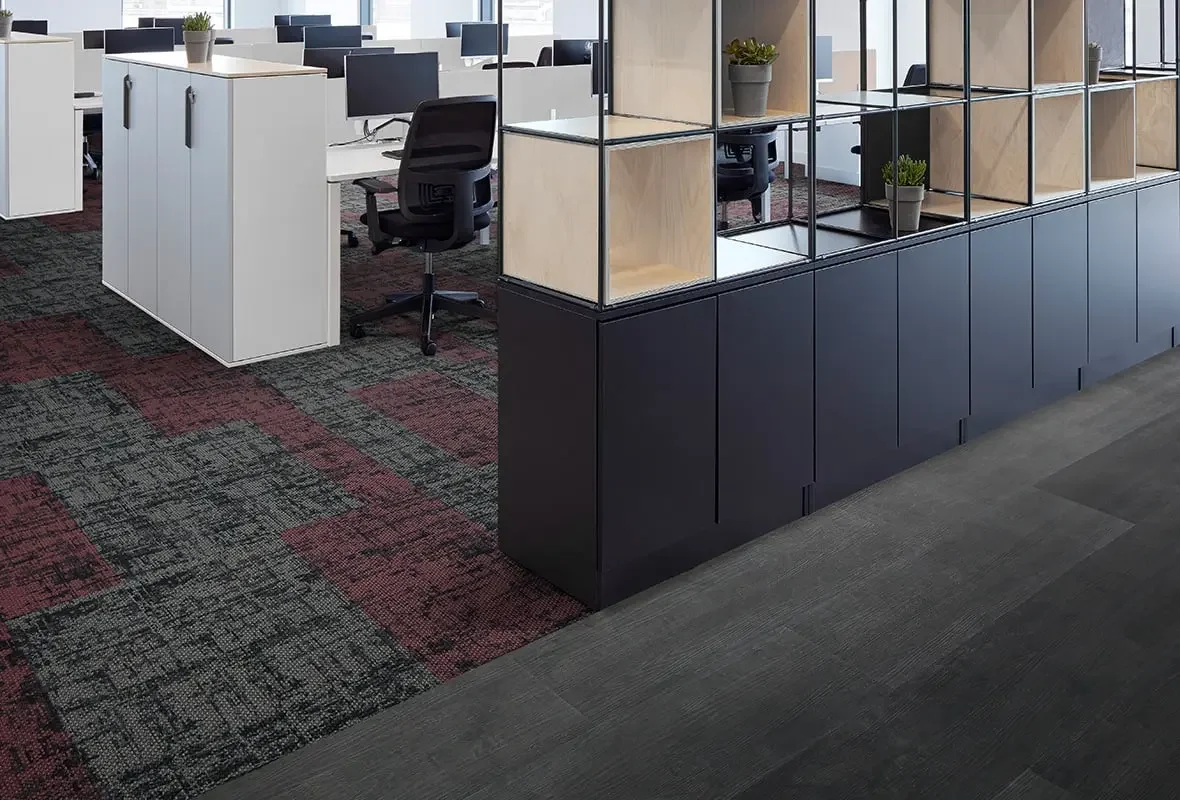
Open-concept offices have become the standard for modern workspaces. They feel bright, collaborative, and flexible. By removing walls, businesses can create spaces that encourage teamwork and communication.
But there’s one problem nearly every open office faces: noise.
The same design that helps people connect can also make it harder for them to concentrate. Footsteps echo across large spaces, conversations carry from one end of the room to the other, and even rolling chairs or coffee machines add to the constant hum. For employees who spend long hours on focused work, background noise can lead to distraction, frustration, and fatigue.
That’s where flooring plays a much bigger role than most people realize. The right flooring materials can dramatically reduce sound, absorb impact, and improve comfort. At Harmony Flooring, we help businesses across Madison, Verona, and Middleton design workspaces that sound as good as they look.
How Flooring Affects Office Acoustics
Sound travels differently depending on the flooring surface. Hard materials such as tile or polished concrete reflect sound, causing echoes and sharp noise. Softer materials like carpet tile or rubber absorb it, creating a quieter and more pleasant atmosphere.
In open offices where there are few barriers or partitions, flooring is one of the most effective ways to control noise. By strategically choosing materials that reduce impact sound (like footsteps) and airborne sound (like voices), you can transform how your workspace feels.
The result is a more peaceful, productive environment that supports both collaboration and concentration.
Key Qualities to Look for in Quiet Flooring
Before diving into materials, it helps to know what actually makes flooring “quiet.” The best acoustic floors combine several important qualities:
- Sound absorption: The ability to soak up sound waves rather than reflect them.
- Impact insulation: Reduces noise caused by footsteps, dropped items, or rolling chairs.
- Comfort underfoot: Softer materials or cushioned backing can lower fatigue and absorb vibration.
- Durability: Offices see heavy foot traffic, so flooring must hold up without losing its sound-reducing qualities.
- Easy maintenance: Commercial spaces need surfaces that clean quickly and resist wear.
Not every business has the same needs. A creative agency might want stylish, modern flooring with moderate sound control, while a call center may need maximum noise reduction. The right solution depends on your space, workflow, and design goals.
The Top Quiet Flooring Options for Open Offices
After years of working with Wisconsin businesses, we’ve found that three materials consistently deliver the best balance of durability, style, and acoustic performance.
Carpet Tile: The Proven Sound Absorber
Carpet tile remains the gold standard for acoustic control in commercial settings. It’s practical, versatile, and effective. Each tile’s fabric surface absorbs both impact and airborne sound, keeping large offices noticeably quieter.
Why it works:
- Soft fibers absorb sound instead of reflecting it.
- Reduces noise from footsteps, movement, and rolling chairs.
- Modular tiles make replacement and maintenance easy.
- Wide design variety fits any brand style.
Carpet tile is also one of the most sustainable choices for open offices. Many modern options use recycled fibers and low-VOC adhesives, which help maintain good indoor air quality.
Ideal for:
Workstations, conference rooms, collaborative zones, and hallways where comfort and quiet are top priorities.
Harmony Flooring Tip: Use carpet tile across main work areas and pair it with a harder surface like luxury vinyl plank in high-traffic zones such as kitchens or copy rooms. This maintains function and noise control without sacrificing durability.
Luxury Vinyl Tile (LVT) and Plank (LVP) with Acoustic Backing
Luxury vinyl flooring has come a long way. Today’s commercial-grade versions can include sound-dampening layers that significantly reduce impact noise. This makes it one of the most flexible choices for modern open offices.
Why it works:
- Built-in acoustic backing cushions footsteps and chair movement.
- Durable enough for heavy commercial use.
- Easy to maintain and resistant to scratches or stains.
- Available in natural wood, stone, or modern textures that elevate the office aesthetic.
Luxury vinyl is especially effective when paired with an underlayment designed for sound reduction. Together, these layers can cut noise transmission by up to 20 decibels compared to hard surfaces like concrete or ceramic tile.
Ideal for:
Mixed-use offices with open layouts that need both style and sound control. Perfect for entryways, hallways, and collaborative work areas.
Local insight:
Wisconsin businesses often prefer LVP because it handles snow and moisture from winter boots without warping or staining. It’s practical, attractive, and office-friendly year-round.
Harmony Flooring Tip: Ask about LVP products that meet ASTM E492 or E2179 sound insulation standards to ensure top performance in noise-sensitive areas.
Rubber Flooring: Quiet, Comfortable, and Built to Last
Rubber flooring is another strong choice for controlling noise in open offices. It’s durable, slip-resistant, and naturally resilient, meaning it absorbs both impact and vibration better than most hard surfaces.
Why it works:
- Excellent impact absorption that reduces noise from walking or movement.
- Comfortable underfoot, ideal for employees who stand or walk frequently.
- Non-slip and low-maintenance.
- Available in modern designs that suit professional environments.
Rubber flooring has long been used in gyms and hospitals for its durability and acoustic properties, but newer designs make it equally suitable for offices. It adds a subtle cushion to every step, helping reduce sound transfer through floors — especially useful in multi-story buildings.
Ideal for:
Break rooms, fitness spaces, corridors, and creative areas where comfort and sound control matter most.
Harmony Flooring Tip: For a high-end look, consider vulcanized rubber tiles or sheets with a matte finish. They provide exceptional acoustic insulation while maintaining a clean, modern appearance.
Additional Design Strategies for Quieter Workspaces
Flooring is the foundation of a quiet office, but pairing it with the right design elements enhances results even further.
1. Use area rugs and runners in open zones or lounge spaces to add extra sound absorption.
2. Incorporate acoustic ceiling panels or wall coverings to reduce echo.
3. Install furniture with soft materials such as fabric seating or felt bases to minimize vibration noise.
4. Create layout zones by mixing flooring types to define spaces. For example, use carpet tiles in focus zones and LVP in collaborative areas.
5. Keep maintenance consistent to ensure your flooring stays effective. Dirty or worn floors reflect more sound over time.
These details combine to create an office environment that feels more comfortable and professional, even when the space is busy.
The Benefits of Acoustic Flooring Go Beyond Noise
Quiet flooring is about more than sound control. It also improves the workplace experience in ways that directly impact productivity and well-being.
1. Better focus: Employees can concentrate longer in a quieter environment.
2. Less stress: Reduced noise levels lower fatigue and irritation.
3. Improved safety: Softer materials reduce slips and cushion minor falls.
4. Enhanced comfort: Floors that absorb impact help prevent leg and back strain.
5. Positive impression: A quiet, polished workspace makes visitors and clients feel calm and welcomed.
For Wisconsin companies competing for top talent, these small design choices can make a major difference in how people feel about coming to work.
Choosing the Right Partner for Your Office Flooring
Not all flooring contractors specialize in commercial acoustic design. Installing quiet flooring requires experience with materials, underlayments, and layout planning to achieve the right results.
At Harmony Flooring, our team has completed numerous office installations throughout Dane County and southern Wisconsin. We understand how to balance sound performance, durability, and design. Whether you’re refreshing an existing office or designing a new open workspace, we’ll help you choose materials that support productivity and comfort.
Our commercial flooring experts can guide you through:
- Selecting acoustic-rated materials suited to your specific building and budget
- Coordinating colors and patterns that match your brand aesthetic
- Managing installation timelines to minimize workplace disruption
- Providing long-term maintenance guidance for consistent sound performance
Final Thoughts
Open office designs are here to stay, but that doesn’t mean you have to live with constant noise. The right flooring can transform how your space sounds, feels, and functions.
Carpet tile remains the most effective sound absorber. Luxury vinyl plank with acoustic backing adds a modern look with durability. Rubber flooring provides unmatched comfort and resilience. Together or individually, these solutions can create a workspace that’s quiet, professional, and built for focus.
If you’re planning an office renovation or new construction project in the Madison area, Harmony Flooring can help. Our experts specialize in commercial installations that combine design, durability, and acoustic performance.
Ready to make your office a quieter, more productive place to work? Contact Harmony Flooring for a consultation or visit our showroom in Madison to explore flooring options tailored to your business.
Harmony Flooring: Covering Every Detail.
You Might Also Like
-

- Flooring
March 5, 2026
Prevent Flooring Fade From Sunlight: Practical Tips for Madison Homes
-
- Flooring
March 3, 2026
One Flooring Throughout the House: Pros and Cons for Wisconsin Homes
-

- Flooring
February 26, 2026
What Flooring Lasts the Longest? A Complete Guide for Wisconsin Homeowners

