

- Flooring
The Best Flooring for Open-Concept Living Spaces
December 2, 2025
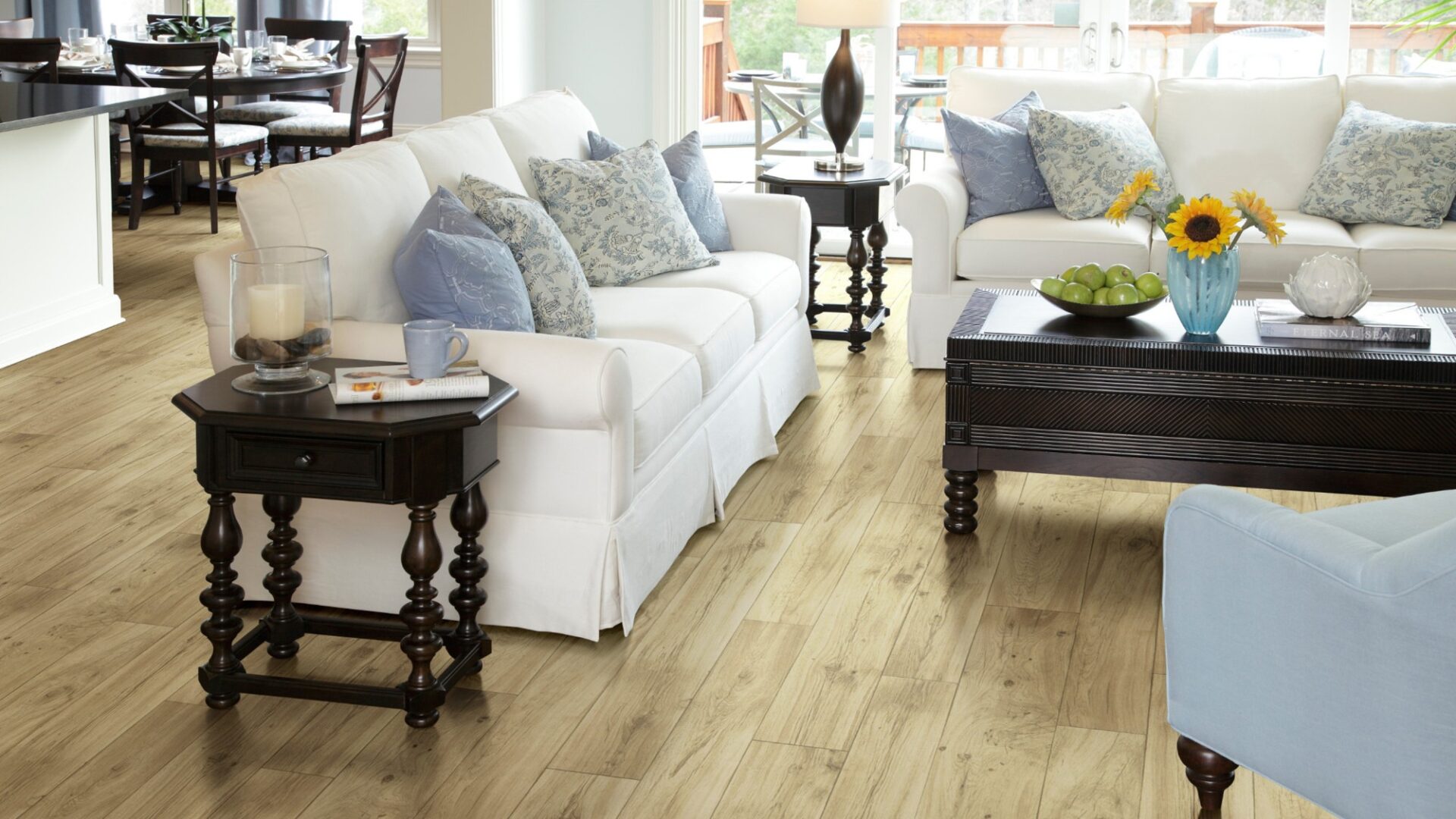
Open-Concept Homes: Beautiful, Modern, and a Bit Tricky
Open-concept layouts are one of the most popular home designs in Wisconsin today. They bring light, energy, and connection to a space. The kitchen flows naturally into the dining area, the dining area into the living room, and everything feels cohesive. It’s a design that encourages gathering, entertaining, and multitasking.
But here’s the truth every homeowner eventually discovers: open spaces are easy to admire and harder to design. Without walls to define each area, your flooring becomes one of the most powerful design tools you have. It sets the tone for the entire home.
At Harmony Flooring, we’ve helped homeowners across Madison, Middleton, Verona, and Sun Prairie bring open layouts to life. And again and again, we’ve seen that the right flooring makes the difference between a home that feels polished and connected and one that feels visually scattered.
If you’re planning or remodeling an open-concept home, this guide will help you choose flooring that balances durability, comfort, and design. Let’s talk about what works, what doesn’t, and how to get that beautiful, unified flow.
Why Flooring Choice Matters More in an Open Layout
When each room has its own flooring, design transitions are easy. The kitchen can have tile, the living room carpet, the dining area hardwood, and everything still feels organized. In an open-concept space, that freedom disappears. Because all those zones share sightlines, the eye moves across the entire floor at once.
Your flooring must do more than look nice. It needs to create continuity, define functional areas subtly, and hold up to a mix of activities.
Here’s why your decision matters so much:
- Visual flow: The human eye naturally follows flooring patterns. Consistent flooring helps large spaces feel calm and connected.
- Noise control: Sound travels easily through open layouts. Certain materials can make spaces echo, while others absorb sound.
- Temperature comfort: Wisconsin’s climate brings both cold winters and humid summers. Flooring choice affects how warm or cool your home feels.
- Maintenance needs: Open spaces often include high-traffic areas like kitchens and living rooms. You need materials that can handle daily wear and spills.
In short, your floor isn’t just the base of your design. It’s the unifying element that ties the entire home together.
Understanding the Flow: How Flooring Defines Each Zone
The most successful open-concept homes use flooring to create subtle transitions between zones without breaking up the visual flow. Instead of using walls or doors, you can use tone, texture, and pattern changes within the same flooring type.
For example:
- A slightly darker plank tone in the dining area defines that space without changing materials.
- Running planks in one direction across the entire home can lengthen the look of a room.
- Using an inset pattern of the same flooring (such as a herringbone section beneath the table) creates definition and elegance.
In Wisconsin homes, where practicality and beauty go hand in hand, this approach works beautifully. It allows you to keep the open layout airy while giving each area its own quiet identity.
The Top Flooring Options for Open-Concept Homes
After installing thousands of floors across Dane County and beyond, we’ve found that a few materials consistently perform better in open layouts than others. Here’s a deep look at the top choices that combine style, performance, and versatility.
Luxury Vinyl Plank (LVP): The Most Versatile Choice for Modern Living
Luxury Vinyl Plank is the star of open-concept design for good reason. It’s durable, waterproof, and visually seamless from room to room. With today’s manufacturing technology, LVP can replicate natural hardwood, stone, or tile so convincingly that even flooring professionals sometimes take a second look.
Why it works for open layouts:
- Unified look across spaces: LVP comes in wide planks and long runs that create a smooth, continuous appearance throughout a home.
- Durability under pressure: Open-concept homes often blend kitchens, dining areas, and living rooms. That means more foot traffic, rolling chairs, and the occasional kitchen spill. LVP handles it all.
- Moisture resistance: Wisconsin winters bring melting snow and salt, and summers bring humidity. LVP’s waterproof core protects against both.
- Easy maintenance: Quick mopping keeps it clean. No refinishing, sealing, or polishing required.
- Comfort underfoot: LVP feels warmer and softer than ceramic tile, which is helpful in large spaces where people often stand or walk barefoot.
Design advantages:
Luxury vinyl allows homeowners to use one flooring style throughout the home without worrying about transitions between wet and dry areas. For example, you can install the same plank design in the kitchen, dining room, and living area, creating an uninterrupted flow. You can even use it in bathrooms or laundry areas for complete consistency.
Local insight:
In Madison, LVP is especially popular in family homes and condos where durability and warmth are priorities. The waterproof feature is particularly important in Wisconsin’s freeze-thaw climate, where snow and slush can quickly damage wood or laminate.
Expert tip from Harmony Flooring:
Choose a high-quality commercial-grade LVP with a 20 mil or thicker wear layer. It will last longer and maintain its finish even in high-traffic homes.
Engineered Hardwood: The Elegant, Natural Foundation
Nothing compares to the beauty of real wood, and in open-concept homes, that warmth and authenticity make a huge difference. Engineered hardwood gives you the best of both worlds: the timeless appearance of natural wood and the stability needed for Wisconsin’s shifting temperatures.
What makes engineered hardwood special:
Engineered wood is made with a top layer of real hardwood and multiple supportive layers beneath. This construction prevents warping and expansion that can occur with solid wood when humidity fluctuates. It’s ideal for open spaces that include kitchens or rooms with direct sunlight.
Why it shines in open-concept homes:
- Consistent elegance: Wood brings natural texture and visual warmth that complements everything from modern to traditional interiors.
- Long lifespan: With proper care, engineered hardwood can last decades and even be refinished depending on its wear layer.
- Comfortable ambiance: Wood naturally makes large spaces feel inviting and less echo-prone.
- Compatible with radiant heat: For Wisconsin homeowners, pairing engineered hardwood with underfloor heating creates comfort all winter long.
Design flexibility:
Hardwood’s neutral tones make it easy to coordinate with cabinetry, trim, and furnishings. In open layouts, choosing a medium tone (not too light or dark) helps hide dust and pet hair while maintaining a balanced look across lighting conditions.
Maintenance and protection:
While wood isn’t waterproof, it can handle daily life when installed properly and maintained with the right finishes. Mats near entryways, felt pads under furniture, and humidity control go a long way.
Harmony Flooring recommendation:
Oak and hickory are top performers in Wisconsin’s climate. They’re durable, timeless, and less prone to visible wear.
Porcelain Tile: The Ultimate in Strength and Style
For homeowners who value durability above all, porcelain tile is a fantastic choice. It’s elegant, practical, and nearly indestructible. In open-concept homes where the kitchen flows directly into dining and living areas, tile creates a refined look that’s easy to maintain.
Why it works so well:
- Waterproof and stain-resistant: Perfect for kitchens and entryways that connect directly to other living areas.
- Heat friendly: Tile pairs beautifully with radiant floor systems, providing consistent warmth across large spaces.
- Long-lasting: Properly installed tile can last decades with minimal maintenance.
- Design versatility: Available in countless colors, patterns, and textures. Wood-look porcelain tile is particularly popular for achieving the appearance of hardwood with none of the upkeep.
When to choose tile for open layouts:
Tile works best in homes where durability and low maintenance are top priorities, such as households with pets, kids, or frequent entertaining. It’s also ideal for Wisconsin homes with expansive windows, as it won’t fade or discolor in sunlight.
Comfort tip:
Tile can feel cool in winter, but pairing it with radiant heating or using area rugs balances warmth and comfort beautifully.
Coordinating Flooring Across Connected Spaces
If your open-concept design includes multiple flooring types, it’s crucial to plan transitions carefully. A well-chosen combination can add character and define areas without breaking the visual flow.
Here’s how to do it effectively:
- Limit material changes: Two materials are usually the maximum for open layouts. For instance, LVP through the main areas and tile in the kitchen.
- Use color harmony: Choose tones that share similar undertones (warm or cool) so they blend naturally.
- Mind the direction: Lay planks or tiles consistently throughout connecting spaces. Changing direction midstream disrupts flow.
- Invest in quality transitions: Use flush transitions or coordinating trims instead of bulky strips for a clean, professional look.
This level of detail often separates a builder-grade installation from a polished, designer-quality result.
Flooring Patterns That Enhance Open Layouts
You can use layout techniques to emphasize flow or create definition within your open space. Flooring is as much about geometry as it is about color or texture.
Some design strategies to consider:
- Continuous plank direction: Running all planks in one direction elongates the look of your home and creates unity.
- Diagonal or herringbone layouts: These patterns add subtle sophistication and guide the eye across larger rooms.
- Framing techniques: Outlining certain areas, like a dining zone, with a border of the same material adds definition without changing the flooring type.
A professional installer, like the team at Harmony Flooring, can help you decide which layout enhances your specific home’s shape and lighting.
Balancing Warmth, Sound, and Light
Open spaces are beautiful, but they can sometimes feel echoey or cold if not designed carefully. Flooring plays a big role in controlling acoustics and ambiance.
Acoustic balance:
Hard surfaces reflect sound, while softer ones absorb it. If your open layout feels noisy, you can improve acoustics by adding rugs or choosing flooring with built-in sound absorption, like cork-backed vinyl.
Temperature control:
In Wisconsin, winter comfort is key. LVP and engineered hardwood both retain warmth better than ceramic tile. Pairing any flooring with radiant heat or insulated underlayment adds noticeable comfort.
Lighting effects:
The larger the space, the more lighting changes you’ll have throughout the day. Choose flooring tones that work with both natural and artificial light. Medium hues tend to hide dirt, show less reflection, and age gracefully.
Common Mistakes to Avoid in Open-Concept Flooring
Even beautiful materials can look awkward if certain design details are missed. Here are a few pitfalls to avoid:
- Mixing too many materials: A different flooring for each zone breaks continuity and makes spaces feel smaller.
- Ignoring expansion gaps: Especially in Wisconsin’s climate, proper expansion spacing is essential to prevent buckling.
- Poor alignment: If your flooring direction doesn’t line up with architectural lines, it can throw off the entire layout visually.
- Overlooking maintenance needs: A shiny floor looks great in a showroom but may show every footprint at home. Consider finishes that suit your lifestyle.
A flooring expert can help plan every aspect, from material selection to installation direction, so your space feels cohesive and professionally designed.
Bringing It All Together
An open-concept home is like a blank canvas. The flooring you choose becomes both the background and the structure of your design. It defines how spaces connect, how light moves, and how your family feels at home.
Luxury vinyl plank offers practicality and style for modern families. Engineered hardwood brings warmth and timeless appeal. Porcelain tile adds elegance and unmatched durability. Each can stand on its own or work together in a thoughtfully planned design.
At Harmony Flooring, our team helps Wisconsin homeowners bring their open layouts to life with flooring that fits both lifestyle and climate. We guide you through every decision, from color and texture to installation details, ensuring your flooring feels as beautiful as it looks.
If you’re ready to transform your open-concept home, visit our Madison showroom or schedule a free in-home consultation. Together, we’ll choose flooring that connects your spaces, enhances your design, and stands strong through every season.
Harmony Flooring: Covering Every Detail.
You Might Also Like
-
- Flooring
March 5, 2026
Prevent Flooring Fade From Sunlight: Practical Tips for Madison Homes
-
- Flooring
March 3, 2026
One Flooring Throughout the House: Pros and Cons for Wisconsin Homes
-
- Flooring
February 26, 2026
What Flooring Lasts the Longest? A Complete Guide for Wisconsin Homeowners

