- Buying Guides
Best Felt Pads for Chair Legs: What Works on Hardwood, LVP, Laminate and Tile
April 8, 2026
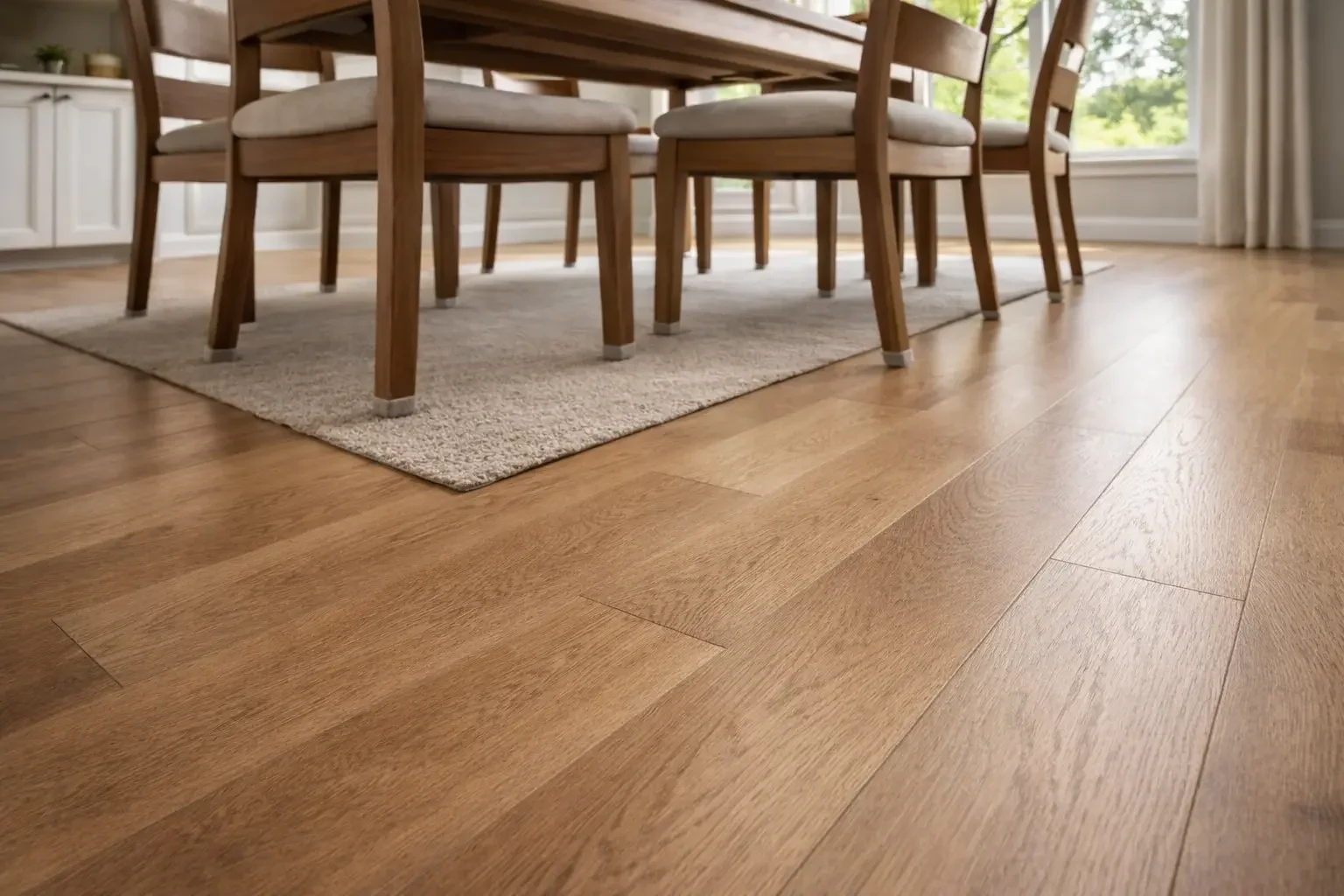
The best felt pads for chair legs are thick, high-density felt pads that attach with a nail or screw (or a felt-lined cap on metal legs) and sit slightly wider than the leg. For most Madison-area homes, felt is also the safest, quietest, most floor-friendly option for hardwood, engineered wood, laminate, and many luxury vinyl floors. Then fine-tune from there: chairs that slide all day need better glides, and heavy pieces need wider “cups” that spread weight and prevent dents.
Key Takeaways
- High-density felt wins for most furniture on most hard-surface floors.
- Dining chairs and stools usually do better with durable chair glides (often nylon or hard plastic with a felt base).
- Heavy furniture needs wide pads or furniture cups to prevent dents and pressure marks.
- Rubber can grip well, but some rubbers can mark or react with certain floors, so use care and test first.
- Pads only work if they stay clean and get replaced before they wear through.
Why Furniture Pads Matter More in Wisconsin
In the Madison area, floors take a beating from tracked-in grit, winter salt, and that constant swing between dry winter air and humid summers. The grit is the big one. Even a “soft” pad can become sandpaper if it collects fine debris. The right pad reduces scratches, dents, and noise, but it also makes everyday living easier because you can move chairs without cringing.
If you’re in Middleton, Sun Prairie, Fitchburg, or Verona, this advice holds up the same. The details just change based on your floor type and how your furniture gets used.
The Main Types of Furniture Pads (And What They’re Best At)
Here’s the quick, practical breakdown of what we see work best in real homes.
High-Density Felt (Stick-On)
- Best for: Most chairs, side tables, console tables, and anything that moves occasionally
- Why it works: Slides smoothly and is gentle on finishes
- Watch for: Low-grade felt that thins fast, and adhesive that fails on dusty or oily furniture legs
Felt (Nail-On or Screw-On)
- Best for: Dining chairs, stools, and frequently moved furniture on wood or laminate
- Why it works: It stays put, so you’re not constantly replacing missing pads
- Watch for: Not ideal for metal legs or hollow legs, and you want the fastener centered so it sits flat
Chair Glides (Nylon or Hard Plastic)
- Best for: Chairs that get pushed and pulled constantly, especially in dining rooms and kitchens
- Why it works: Extremely durable and consistent movement
- Watch for: Some glides can be noisy or feel “scratchy” on certain floors unless they have a felt base or a smooth, well-finished contact surface
Rubber or Silicone (Grip Style)
- Best for: Pieces you do not want sliding, like accent chairs or lightweight tables
- Why it works: Adds traction and reduces shifting
- Watch for: Some rubber compounds can leave marks on certain floors, and they can trap grit. If you try rubber, choose a non-marking style and test it in an inconspicuous spot first.
Furniture Cups (Felt-Bottom or Soft-Bottom Cups)
- Best for: Heavy furniture like sectionals, beds, buffets, and pianos
- Why it works: Spreads weight over a larger area, reducing dents and pressure marks
- Watch for: Make sure the cup fits the leg shape and size. A tiny cup under a heavy leg defeats the purpose.
Temporary Sliders (for Moving Days)
- Best for: Moving day and rearranging furniture without dragging it across the floor. Felt or fabric-bottom sliders are made for hardwood, LVP and laminate; hard plastic sliders are made for carpet.
- Why it works: Prevents that one bad scrape that ruins a finish
- Watch for: Sliders are for moving, not living. They’re not meant to stay under furniture long-term in most rooms.
What Works Best by Flooring Type
Hardwood and Engineered Hardwood
- Go-to: High-density felt (nail-on if the chair legs allow it)
- For dining chairs: Consider nail-on felt or a durable glide designed for hard surfaces
- For heavy pieces: Use wide furniture cups with a felt bottom
- Wood floors are the most likely to show scratches, especially in open areas with strong sunlight. Felt keeps movement smooth and reduces that “micro-scratch” look that builds up over time.
Luxury Vinyl Plank (LVP) and Rigid Core
- Go-to: Felt pads or felt-bottom cups
- For chairs: Durable glides that move smoothly without sharp edges
- Be cautious with: Dark rubber pads and unknown “grippy” materials
- Vinyl floors can be very tough, but they can also show scuffs or discoloration depending on the material and what sits on it. If you’re unsure, stick with felt and keep it clean.
Laminate
- Go-to: Felt pads and felt-bottom cups
- For office chairs: Soft wheels made for hard floors or a protective chair mat designed for hard surfaces
- Laminate resists wear well, but grit and hard edges are still a problem. The best strategy is felt plus good cleaning habits, especially near exterior doors.
Tile and Stone
- Go-to: Felt pads (mainly for noise control and chair movement)
- For uneven grout lines: Consider slightly thicker felt or a cup that keeps the leg stable
- Tile is hard, but that doesn’t mean it’s immune to marks, and grout can chip if furniture “taps” the edges repeatedly. Felt keeps things quieter and more controlled.
Best Felt Pads for Chair Legs
The best felt pads for chair legs are thick, high-density felt that attaches mechanically and covers the whole foot of the leg. Chairs slide more than any other furniture, so thin craft felt and small stick-on dots wear through or fall off first. Match the pad to the leg:
- Wood dining and kitchen chair legs: nail-on or screw-in felt glides
- Metal or tubular legs: slip-on caps lined with felt, sized to the leg
- Angled or splayed legs: swivel-base felt glides that tilt so the felt sits flat on the floor
- Chairs that move all day: glides with a hard nylon body; many take a replaceable felt insert
- Every chair: replace the felt once it packs down, frays, or picks up grit
Room-by-Room Picks That Actually Hold Up
Dining Rooms (The Toughest Test)
Dining chairs are the biggest culprit for scratching because they move constantly, often with a little grit underneath.
- Best: Nail-on felt pads if you can, or a high-quality chair glide designed for hard surfaces
- Pro tip: Choose a pad that’s slightly larger than the chair leg footprint, so the wood or metal never contacts the floor.
Kitchen Stools and Island Seating
Stools tend to twist and drag at odd angles.
- Best: Nail-on felt or a durable glide with a smooth contact surface
- Avoid: Tiny stick-on dots that peel off after a week of spinning and scooting
Living Room Sofas, Sectionals, and Recliners
Heavy furniture is more about dent prevention than scratch prevention.
- Best: Wide felt-bottom cups or oversized felt pads
- Watch for: Small feet under big sectionals. The smaller the contact point, the more likely you’ll see pressure marks.
Home Offices and Rolling Chairs
This is where floors get shredded fast if the setup isn’t right.
- Best: Soft wheels rated for hard floors, or a hard-surface chair mat that won’t trap grit
- Also helpful: Keep a small vacuum nearby and clean the wheel treads. Wheels carry grit like tires.
Beds and Dressers
These don’t move much, but they’re heavy and can dent softer woods.
- Best: Wide furniture cups or large felt pads
- Bonus: If you rotate a bed slightly during cleaning, pads reduce the chance of dragging marks.
How to Make Pads Stay On (And Stay Safe for the Finish)
Most pad failures come down to prep and fit.
- Clean the furniture leg first. Wipe off dust and residue, then let it fully dry.
- Match the pad to the leg size. Too small means exposed edges. Too big means it peels.
- Center it carefully. Off-center pads wear unevenly and fall off faster.
- Give adhesive time to bond. Avoid sliding the piece immediately after applying a new stick-on pad.
- Check problem spots monthly. Dining chairs and stools deserve quick, regular checks.
If you want more everyday floor-care habits that protect finishes long-term, our floor care guide pairs perfectly with pad upgrades.
A Quick “Buying Checklist” Before You Add to Cart
- Choose high-density felt for most hard floors.
- Pick nail-on felt for chairs that lose pads constantly (when the leg construction allows it).
- Use cups or oversized pads for heavy furniture.
- Avoid unknown rubber materials on floors that are prone to marking. If you try rubber, test first.
- Plan to replace pads before they wear through. Pads cost far less than refinishing or repairs.
Keep Reading
- Cleaning Mistakes That Ruin Floors (and What to Do Instead)
- Maintenance Tips for Long-Lasting Floors
- Hardwood Flooring in Madison, WI: styles, brands and how to choose
Furniture Pad Questions
What furniture pads work best on hard floors?
High-density felt pads work best for most furniture on any hard floor, from hardwood to tile. Use durable glides for chairs that move all day and wide cups under heavy pieces.
Do felt pads really prevent scratches?
They help a lot. The catch is keeping them clean. Replace them before the felt gets thin or gritty, because grit turns any pad into sandpaper.
Are rubber pads better than felt?
Rubber grips better, so it’s handy for pieces you don’t want sliding. But some rubber can trap grit or leave marks on certain floors. Felt is the safer choice for furniture that moves. Test rubber in a hidden spot first.
What should I use under dining chairs?
Nail-on felt is hard to beat if the chair legs allow it. If not, use a thick felt pad or a quality glide made for hard floors. Check dining chair pads every month.
What should go under a heavy sectional or bed?
Use wide furniture cups with a felt bottom or oversized felt pads. They spread the weight so you don’t get dents. Small feet under heavy furniture are what cause pressure marks.
Bottom Line
For most homes, high-density felt pads are the best “set it and forget it” option. From there, upgrade to nail-on pads or durable glides for chairs that move constantly, and use wide cups for heavy furniture. Keep everything clean, replace pads before they fail, and your floors will stay looking sharp through Wisconsin winters and busy everyday life.
If you want help choosing the right protection for your specific flooring, or you’re noticing scratches and dents that shouldn’t be happening, contact Harmony Flooring. We’ll help you get it sorted, Covering Every Detail. Schedule a free consultation or call or text 608-221-5500.
Questions About Your Floors?
Call or text 608-221-5500Schedule a Free Consultation
Shop our floors: Hardwood · Vinyl · Carpet · Tile · Laminate
Showroom: 2125 S. Stoughton Rd, Madison, WI 53716
You Might Also Like
-

- Commercial Flooring
- Buying Guides
October 16, 2026
Municipal Building Flooring: A Wisconsin Buyer’s Guide
-
- Commercial Flooring
- Buying Guides
October 15, 2026
Apartment Turnover Flooring: A Madison Multifamily Guide
-