- Blog
- |
- Luxury Vinyl Plank
LVP Flooring: What to Know Before You Buy
April 10, 2026
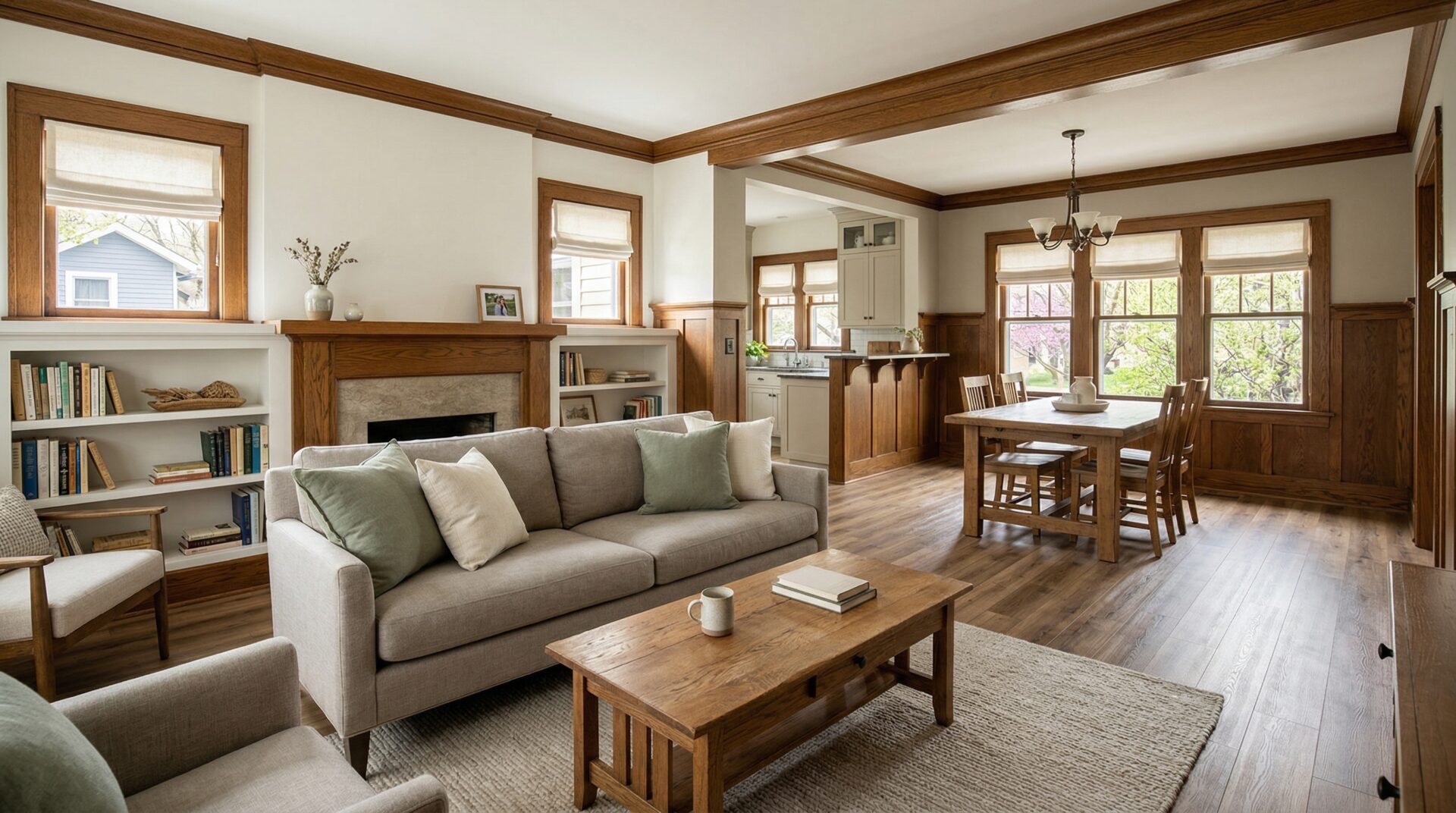
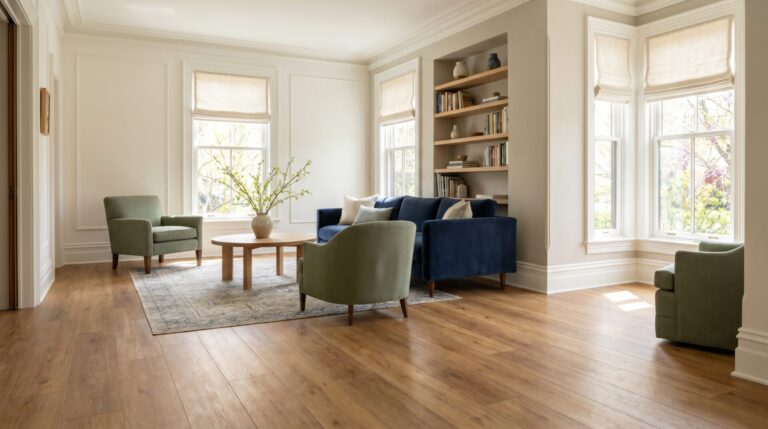
LVP flooring delivers waterproof durability and real-wood style for less. Here’s what Madison, WI homeowners need to know before choosing.
If you’re shopping for new floors in Madison, WI, LVP flooring has probably come up. And for good reason. It’s waterproof, tough, and looks surprisingly like real hardwood or stone. It’s also much easier to maintain than natural materials.
But not all LVP is the same. A floor that lasts 20 years versus one that needs replacing in five usually comes down to a few key specs. This guide breaks it all down so you can shop with confidence.
Key Takeaways
- LVP is 100% waterproof — ideal for kitchens, bathrooms, and Wisconsin basements
- Wear layer thickness (12 mil vs. 20 mil) is the biggest factor in how long your floor lasts
- Core type (SPC vs. WPC) affects hardness, comfort, and how well it works on your subfloor
- Go 5mm thick or more for better stability and a quieter feel underfoot
- LVP holds up to Wisconsin humidity swings much better than solid hardwood
- Professional installation affects how the floor performs for years, not just on day one
What Is LVP Flooring?
LVP stands for luxury vinyl plank. Each plank has several layers bonded together: a tough wear surface on top, a printed layer that mimics wood or stone, a rigid core in the middle, and a backing on the bottom.
Most LVP uses a click-lock system. Planks snap together and float over your subfloor with no glue needed.
What makes modern LVP different from older vinyl flooring is the rigid core. It holds its shape, so it won’t soften or buckle over time. It also feels more comfortable underfoot and handles floors that aren’t perfectly flat.
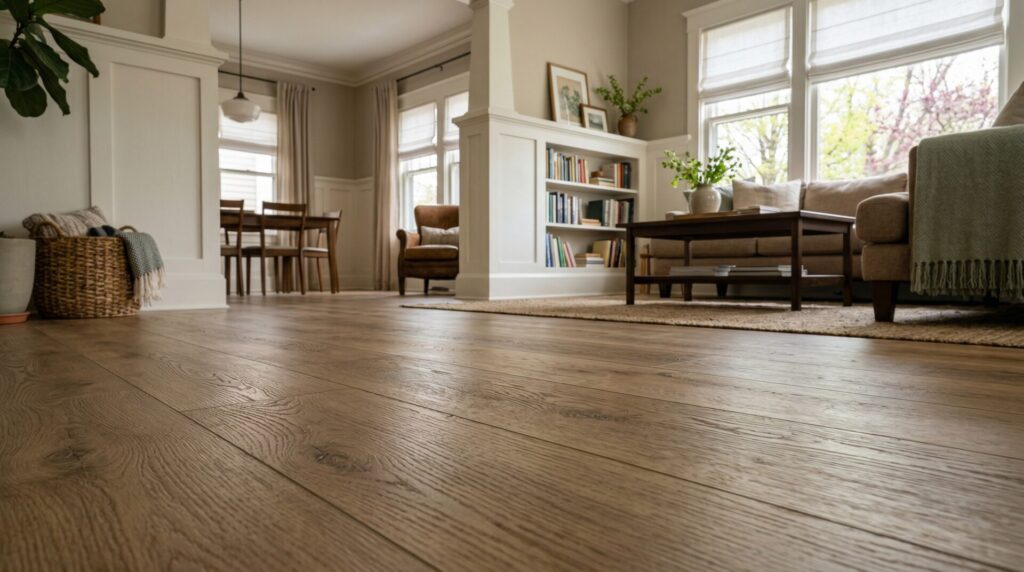
The Specs That Actually Matter
This is where most shoppers get tripped up. Here’s what to look for.
Wear Layer Thickness
The wear layer is the clear coating on top of the plank. It protects the floor from scratches, scuffs, and stains. Thickness is measured in mils (thousandths of an inch).
- 12 mil — Good for most homes. Works well in lower-traffic rooms with light pet use.
- 20 mil — Heavy-duty protection. Worth it for busy areas, homes with dogs, or large open living spaces.
Not sure which fits your home? A quick conversation with a flooring pro makes that decision easy.
Core Type — SPC vs. WPC
Both types are 100% waterproof. The difference is how they feel and where they perform best.
- SPC (stone plastic composite) — Harder and more rigid. Better for heavy traffic, concrete floors, and basements.
- WPC (wood plastic composite) — Softer and warmer underfoot. A popular choice for bedrooms and living rooms.
There’s no universal winner here — it comes down to the room.
Plank Thickness
Thicker planks feel better, sound quieter, and forgive small imperfections in the subfloor. Aim for at least 5mm for most rooms. For large open spaces or high-traffic areas, 7mm to 8mm is a worthwhile upgrade.
Room-by-Room Guide for Wisconsin Homes
LVP works well almost anywhere, but a few rooms in Wisconsin homes deserve extra attention.
Basements
This is where LVP really earns its reputation. Many homes in Fitchburg and Sun Prairie have concrete basement floors that hold moisture, especially after Wisconsin’s freeze-thaw cycles. LVP’s waterproof core handles that without a problem.
For basements, choose an SPC core — it’s denser and more stable on concrete. And deal with any moisture issues before the floor goes down.
Kitchens and Bathrooms
Both rooms deal with spills and humidity every day. LVP is built for it. In the kitchen especially, a 20 mil wear layer is worth the investment — things get dropped, chairs get dragged, and traffic never stops.
Living Rooms and Open-Concept Spaces
Newer homes around Middleton and Waunakee often have open floor plans where flooring runs from room to room without breaks. LVP handles this well. The wood-look options are realistic enough to anchor a whole space. A WPC core with a mid-range wear layer is a solid fit here.
Mudrooms and Entryways
From November through March, Wisconsin winters push salt, slush, and mud through the front door every single day. LVP — especially with a higher wear layer — holds up to all of it.
What Affects the Cost?
LVP comes in a wide range of price points. Here’s what actually drives the difference:
- Wear layer and core type — The biggest cost factors. Better performance costs more, but the durability pays off.
- Plank size and realism — Wider planks look more like real wood and cost more. Top-tier options have surface texture that matches the printed grain for a much more convincing look.
- Subfloor condition — If leveling or moisture work is needed before installation, that adds to the project scope.
- Layout complexity — Straight runs in open rooms are the simplest. Angles, stairs, and multiple transitions take more time.
Comparing LVP to laminate?
harmonyflooring.com/laminate-vs-vinyl-flooring-which-is-better-for-you/ breaks down the key differences clearly.
Have questions before committing? Reach out to our team at harmonyflooring.com/contact/ and we’ll help you think it through before you buy anything.
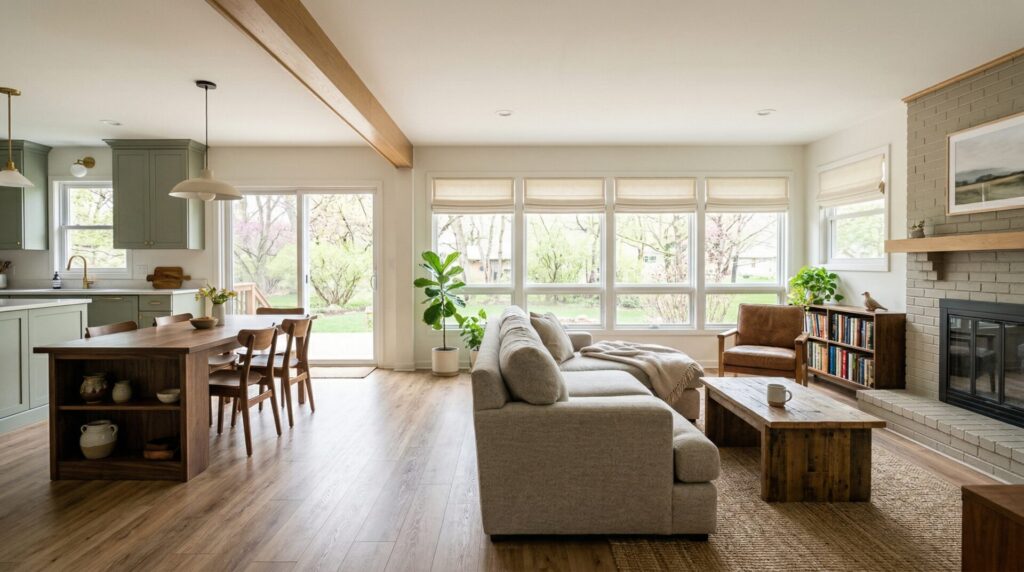
Why Professional Installation Matters
LVP gets marketed as an easy DIY project. The click-lock system is genuinely user-friendly. But professional installation makes a real difference in how the floor looks and holds up. Here’s what a pro handles:
- Subfloor check — Moisture levels, flatness, and existing floor conditions are all reviewed before anything goes down.
- Acclimation — LVP needs time to reach room temperature before installation. In Wisconsin winters, this step matters more than most people realize.
- Layout planning — Plank direction, starting point, and how transitions are handled all affect the final look.
- Clean finishing — Baseboards, thresholds, and stair nosings done right make the whole floor look polished and complete.
At Harmony Flooring, we handle every step from selection to final walkthrough, Covering Every Detail so you don’t have to manage it yourself.
Frequently Asked Questions
Is LVP flooring good for basements?
Yes — it’s one of the best choices. The waterproof core handles moisture without warping or damage. In Madison-area homes with concrete slab basements, an SPC-core LVP is a reliable long-term option. Just make sure any moisture issues are addressed before installation.
What’s the difference between SPC and WPC?
SPC is harder and better for high-traffic areas and concrete subfloors. WPC is softer and warmer, making it popular in bedrooms and living spaces. Both are 100% waterproof.
How long does LVP last?
With proper care, quality LVP lasts 20 years or more. A 20 mil wear layer will significantly outlast thinner options in active households.
How thick should LVP be?
5mm to 6mm works well for most homes. Go 7mm to 8mm for larger rooms, uneven subfloors, or if a quieter feel underfoot is a priority.
Can LVP be installed over existing floors?
Sometimes, yes. It depends on how flat and solid the existing surface is, and whether the added height creates issues with doors or transitions. Your installer can assess this before anything gets started.
Is LVP safe for my family?
Quality LVP meets strict indoor air standards. Look for low-VOC certification, which limits off-gassing after installation. This is worth asking about — especially if you have young kids or anyone with respiratory sensitivities.
Ready to Find the Right LVP for Your Home?
LVP hits a rare combination: waterproof, durable, and great-looking without the upkeep of hardwood. Getting it right means choosing the right wear layer, core type, and thickness for your specific rooms and lifestyle.
Our team helps homeowners across Madison, Waunakee, Fitchburg, and the surrounding area find the right fit and get it installed right. Contact us at harmonyflooring.com/contact/ to set up a consultation.
Harmony Flooring Team
Harmony Flooring is a Madison, Wisconsin flooring company serving homeowners and businesses across Dane County. Our team specializes in hardwood, luxury vinyl plank, tile, carpet, and custom installations. We follow a Design Measure Install process to make sure every project fits the space, the home, and the people who live in it.