

- Flooring
Vinyl Sheet Flooring vs LVP: Which One Fits Your Home (Or Business) Better?
March 24, 2026
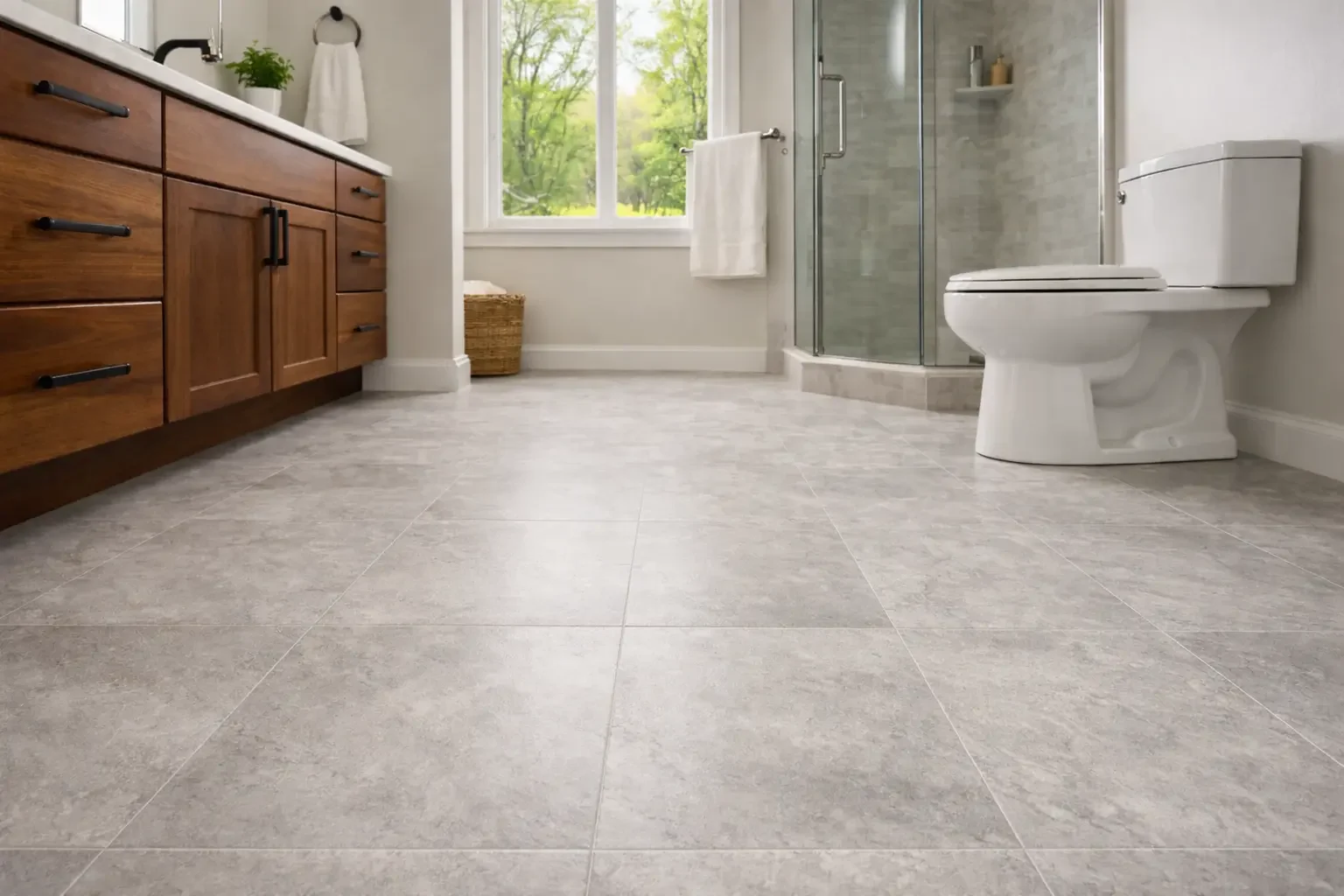
Vinyl sheet flooring and luxury vinyl plank (LVP) are both smart, durable options, but they solve different problems. If you want the fewest seams and the easiest “wipe it up and move on” surface for a wet-prone room, sheet vinyl often wins. If you want a true plank look, easier spot repairs, and more flexibility room to room, LVP is usually the better fit.
Around Madison, we see homeowners and business owners get the best results when they pick vinyl based on how the space is actually used, not just what looks good on a sample.
Key Takeaways
- Sheet vinyl shines in bathrooms, laundry rooms, and large spaces where fewer seams matter most.
- LVP is the go-to for wood looks, modular repairs, and busy households that want a premium visual.
- Subfloor prep is a big deal for both, but sheet vinyl is less forgiving of bumps and texture.
- Wisconsin winters add grit, salt, and tracked-in moisture, so entry protection and cleaning habits matter.
- The “best” choice depends on your water risk, your layout, and how you want to handle future repairs.
First, a quick definition (because “vinyl” means a lot now)
Vinyl sheet flooring comes in wide rolls. It’s typically glued down and cut to fit the room, which means you can have very few seams, sometimes none in smaller rooms.
LVP comes in individual planks that click together or are glued down (depending on the product and application). It’s designed to mimic hardwood plank layouts with realistic texture and pattern variation.
Both are part of the resilient flooring family. Both can look great. The difference is how they’re built, how they install, and how they handle real life over time.
Quick decision guide: which direction should you lean?
If you’re trying to decide in two minutes, start here.
Choose vinyl sheet flooring if:
- You’re focused on moisture control and fewer seams.
- You want a smooth, easy-to-clean surface for a bathroom, laundry, or mudroom.
- You’re covering a larger area and want fewer joints to manage.
- You prefer a softer, quieter feel underfoot.
Choose LVP if:
- You want the most convincing wood-plank look.
- You care about being able to replace a damaged section later.
- You’re remodeling multiple rooms and want a consistent plank layout.
- You need a durable surface that handles traffic and pets with minimal fuss.
If you’re still torn, keep reading. The details are where the right choice becomes obvious.
Seams and moisture: the biggest real-world difference
Seams are the main reason sheet vinyl still has a loyal following, especially in Wisconsin homes.
With sheet vinyl, you’re often dealing with one continuous surface. In a powder room, laundry, or basement bathroom, that can mean fewer places for moisture to sneak in. For busy households in Madison, Middleton, and Sun Prairie, that “less to worry about” factor is real.
With LVP, seams are part of the design. A quality installation and the right product can handle everyday spills just fine, but standing water is a different story. The surface may resist water well, yet water can still travel along seams and around edges if it sits long enough. That’s why we focus so much on room choice and habits, not just the product name.
Subfloor prep: sheet vinyl demands a smoother foundation
Both sheet vinyl and LVP need a flat, sound subfloor. The difference is how much the finish will show what’s underneath.
Sheet vinyl can “telegraph” imperfections, meaning small bumps, seams, or texture in the subfloor can become visible over time. If the floor below isn’t properly prepped, the final look can suffer even if the vinyl itself is high quality. In premium projects, this is where sheet vinyl either looks fantastic or feels like a miss.
LVP is generally more forgiving visually, but it still needs the subfloor to be flat enough to protect the locking joints and prevent movement. If the floor dips or humps, planks can flex, click, or separate. You may not see a bump the way you would with sheet vinyl, but you can feel it and it can shorten the life of the floor.
Bottom line: If your subfloor needs significant smoothing, that prep cost and timeline should be part of the decision.
Comfort and sound: what you’ll notice every day
Sheet vinyl often feels softer and quieter, especially in glue-down installations. Many sheet products also have cushioning options that can make a kitchen or work area more comfortable for long periods of standing.
LVP can be comfortable too, but it depends on the specific construction and what’s underneath. On concrete slabs and basements, LVP may feel firmer and can sound a little more “clicky” if the underlayment and room acoustics aren’t considered.
If comfort is a top priority for you, tell us early. We can steer you toward the right vinyl construction and build a system that feels good underfoot, not just one that looks good in a photo.
Durability in high-traffic homes and businesses
Both options can handle busy spaces when you choose the right product for the job. The mistake we see is treating all vinyl as equal.
For homes, think about:
- Pets and nails
- Kids and toys
- Dining chairs and rolling stools
- Entry grit from winter salt and sand
For businesses, add:
- Constant pivoting in front of counters
- Carts and dolly wheels
- Frequent cleaning and disinfecting routines
LVP tends to perform especially well in high-traffic areas because it’s built for wear and the plank format makes targeted repairs possible. Sheet vinyl can also be a workhorse, particularly in spaces where sanitation and easy cleanup matter more than a plank aesthetic.
Design and realism: where LVP usually pulls ahead
If you want a true hardwood-inspired look, LVP typically has the edge. The plank format, texture, and layout options can feel more natural in living rooms, hallways, and open-concept spaces.
Sheet vinyl can look excellent, especially in modern patterns, stone looks, and clean visuals that suit bathrooms and laundry rooms. It can also create a seamless feel that some homeowners love in smaller spaces. The key is choosing a style that matches the architecture and the expectations of the room.
A practical design tip we use a lot in Madison-area remodels: keep the “hero” spaces on LVP if you want a premium plank look, and use sheet vinyl in the wet utility spaces where performance is the priority. That mix often gives you the best of both without forcing one product to do everything.
Repairs and long-term flexibility
This is where your personality matters.
Sheet vinyl repairs are possible, but they’re more specialized. Small cuts, gouges, or damage near a seam can be harder to make invisible, and a full replacement can mean redoing a larger area. Sheet vinyl is a “commit” floor. When it’s right, it’s great. When it’s damaged badly, it’s usually a bigger project.
LVP’s plank format makes repairs more straightforward in many cases. If you damage a few planks, you may be able to replace just that section, especially if you have extra material from the original job. It’s not always instant, since the surrounding floor may need to be carefully removed and reinstalled, but the option is there.
If you know your space is hard on floors, like a busy rental, a daycare playroom, or a high-traffic office in Fitchburg or Verona, that repair flexibility can be a major advantage.
Installation reality: timing, disruption, and why details matter
Sheet vinyl installation is a craft. It’s cut-in, fitted, adhered, and detailed around edges and transitions. Seams (when needed) must be planned and executed carefully, especially in wet rooms. Done right, it looks clean and performs beautifully.
LVP installation can be faster in many scenarios, particularly floating installations. That said, “faster” doesn’t mean “no prep.” Good LVP jobs still require flatness, clean transitions, and thoughtful layout so the floor feels intentional, not like a patchwork.
For businesses, downtime and access can influence the choice. If your space needs to stay operational, we can talk through phasing, off-hours scheduling, and which vinyl format makes the most sense for your layout and cleaning routine.
Maintenance and cleaning: what you’ll actually do week to week
Both vinyl sheet and LVP are low maintenance compared to many other floors, but they reward the right habits.
- Sweep or vacuum regularly to remove grit (this matters a lot in winter)
- Use gentle cleaning methods and avoid harsh scrubbing that dulls the finish
- Add entry mats to catch salt and sand before it hits the main floor
- Wipe up standing water, especially around exterior doors and utility areas
Sheet vinyl is often the easiest for quick wet cleanup because it’s one surface with fewer joints. LVP is still very manageable, but it’s better treated like “spill resistant” living, not “leave water overnight” living.
Cost and value: what drives the investment
We won’t pretend there’s one clear winner here, because value depends on the room and the scope.
Sheet vinyl can be a strong value in large spaces and wet rooms, especially when you want fewer seams and a simpler surface. LVP often lands in the mid-range to premium tier because the visuals, texture, and construction can be more complex.
Here’s the part that surprises people: subfloor prep and installation details can matter as much as the material choice. A premium vinyl installed over a poorly prepared base won’t feel premium for long. A well-chosen mid-range product installed correctly can look and perform like a much bigger investment.
Best uses in Wisconsin homes and light commercial spaces
If you’re in the Madison area, these are common “wins” we see.
Where sheet vinyl is often a great fit:
- Bathrooms, especially guest baths and kids’ baths
- Laundry rooms and utility rooms
- Mudrooms where wet boots are a daily thing
- Certain healthcare and back-of-house business areas where easy sanitation matters
Where LVP is often the better fit:
- Living rooms, hallways, and open-concept main levels
- Kitchens where you want a plank look and strong durability
- Basements and lower levels (with the right product and prep)
- Offices, retail, and waiting areas where design and traffic both matter
If you want to explore vinyl options with our team, start here: https://www.harmonyflooring.com/vinyl/
Our pro checklist: 8 questions that make the decision easy
Bring these questions to your planning meeting, even if you’re just brainstorming.
- Is this space truly wet, like a bathroom or laundry, or just “spill likely,” like a kitchen?
- Do you want the fewest seams possible, or do you want a plank layout?
- How important is comfort underfoot for standing and walking?
- Is the subfloor smooth and flat, or will it need significant prep?
- Do you need the ability to replace a damaged section later?
- Will this floor see winter salt, sand, and heavy entry traffic?
- Are you installing in one room or across multiple connected rooms?
- What will cleaning look like in real life, not ideal life?
If you’d like help turning those answers into a clear plan, schedule a consultation with Harmony Flooring here: https://www.harmonyflooring.com/contact/
FAQ
Q: Is sheet vinyl waterproof?
A: Sheet vinyl can provide excellent water resistance because it has fewer seams. In the real world, the details matter most at edges, seams (if any), and transitions. Good prep and installation are key.
Q: Is LVP waterproof?
A: Many LVP products handle spills extremely well, and some are marketed as waterproof. Even then, it’s smart to treat it as “water tolerant,” not “leave standing water all day.” Seams and edges are still the sensitive points.
Q: Which is better for bathrooms, sheet vinyl or LVP?
A: For bathrooms, sheet vinyl is often the simpler, safer choice because it can be installed with minimal seams. LVP can work in bathrooms too, but it requires careful attention to edges, transitions, and everyday habits.
Q: Which is easier to repair if something gets damaged?
A: LVP usually has the advantage because individual planks can often be replaced. Sheet vinyl repairs are possible, but matching and blending can be harder, and larger areas may need replacement depending on the damage.
Q: What’s better over concrete in a basement?
A: Both can work with the right prep, but LVP is often chosen for basement living areas because it delivers a premium look and handles everyday use well. If the space is moisture-prone, the overall system and site conditions matter more than the product category.
Q: Will either option handle Wisconsin winters and entry grit?
A: Yes, if you pair it with a good entry mat setup and regular grit removal. Salt and sand act like sandpaper, so keeping them off the floor is the best way to protect the finish long term.
Closing thoughts
Vinyl sheet flooring vs LVP isn’t about picking a winner. It’s about matching the material to the room, the subfloor, and how you want to live and clean in the space. When that match is right, vinyl can feel polished, comfortable, and dependable for years.
If you want to compare sheet vinyl and LVP side by side and get honest guidance for your Madison area project, we’re here to help, Covering Every Detail. Reach out to Harmony Flooring to schedule a consultation: https://www.harmonyflooring.com/contact/
You Might Also Like
-
- Flooring
March 26, 2026
Best Carpet for Bedrooms: How to Choose the Right Style, Fiber, and Cushion
-
- Flooring
March 19, 2026
Best Laminate for Basements in Wisconsin: What to Look For (And When to Skip It)
-
- Flooring
March 17, 2026
Flooring for Homes with Kids: The Best Options for Busy Families

