- Tile
Heated Tile Floors: Cost and Comfort for Wisconsin Homes
February 24, 2026
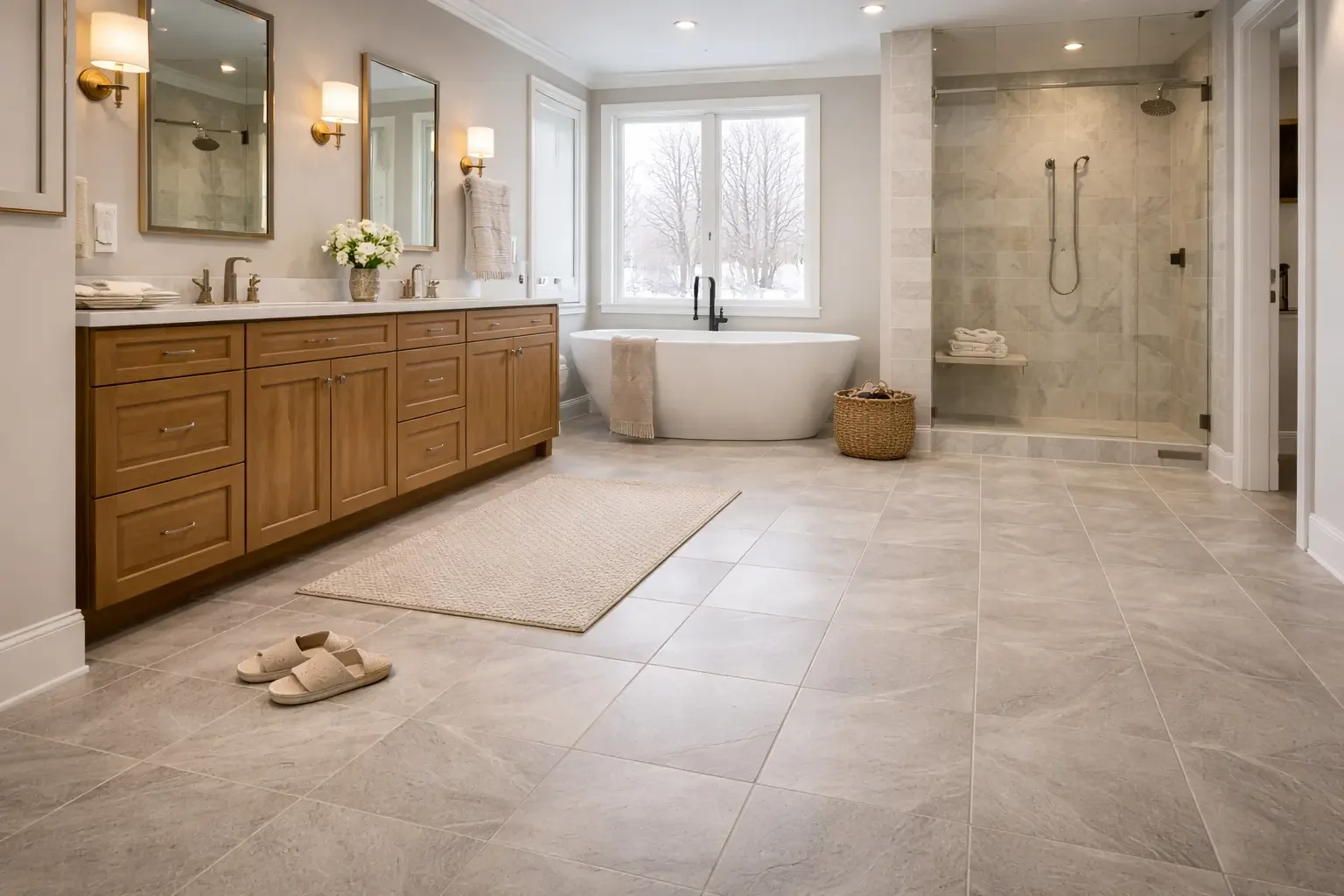
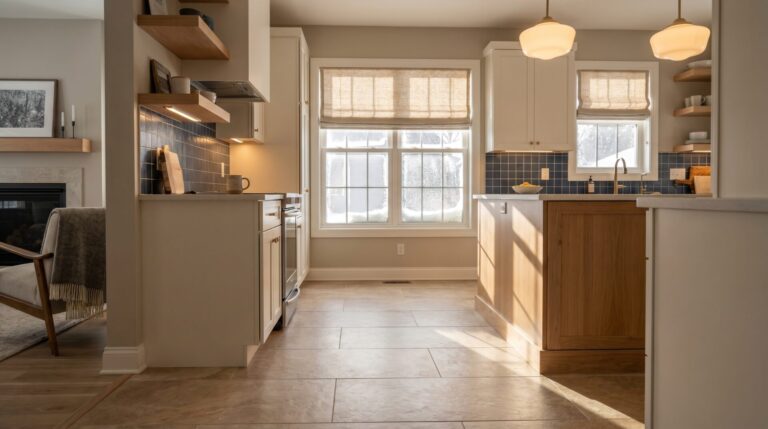
If you have ever stepped onto a cold tile floor during a Wisconsin winter morning, you already understand the appeal of heated tile floors. That shock of cold in the bathroom or kitchen is exactly why more homeowners around Madison and the surrounding area are asking about radiant floor heating.
At Harmony Flooring, heated tile floors are one of those upgrades people rarely regret once they experience them. But before committing, it is important to understand both the cost and the comfort so you can decide if it makes sense for your home and budget. Our tile flooring page shows the porcelain, ceramic, and stone options we carry in the Madison showroom.
Let’s break it all down in plain terms.
What Are Heated Tile Floors?
Heated tile floors use radiant heat installed beneath the tile surface to gently warm the floor. Instead of blowing warm air like a furnace, radiant systems heat from the ground up, creating consistent, comfortable warmth.
Tile is the most common surface used with radiant heat because:
- It conducts heat extremely well
- It retains warmth longer than many materials
- It handles temperature changes without damage
This makes tile ideal for bathrooms, kitchens, mudrooms, and basements.
Why Heated Tile Floors Are So Popular in Wisconsin
Radiant floor heating is not about luxury alone. In cold climates like ours, it can dramatically improve daily comfort.
Key Comfort Benefits
Warm floors when you need them most
Bathrooms, especially first thing in the morning, are the most common place homeowners add heated tile.
Even, consistent heat
Radiant heat eliminates cold spots and drafts that come with forced-air systems.
Quiet operation
No fans, vents, or noise. Heated floors work silently in the background.
Improved comfort without cranking the thermostat
Many homeowners find they can lower their overall home temperature while still feeling warmer.
Types of Heated Tile Floor Systems
There are two main types of radiant floor heating used under tile.
Electric Radiant Heat
Electric systems use heating cables or mats installed directly beneath the tile.
Best for:
- Bathrooms
- Kitchens
- Smaller areas
Pros:
- Lower upfront cost
- Faster installation
- Great for remodels
Cons:
- Higher operating cost than water-based systems
Hydronic (Water-Based) Radiant Heat
Hydronic systems circulate warm water through tubing beneath the floor.
Best for:
- Whole-home systems
- Large spaces
- New construction
Pros:
- Lower long-term operating costs
- Extremely efficient for larger areas
Cons:
- Higher upfront installation cost
- More complex installation
Most residential tile projects in Madison homes use electric radiant heating, especially for bathrooms and kitchens.
How Much Do Heated Tile Floors Cost?
This is the question everyone asks first, and the answer depends on several factors.
What Drives the Cost
Electric radiant heating:
- The size and shape of the heated area
- Whether you need a new circuit or a new thermostat
Hydronic systems:
- The boiler or water heater tie-in, the tubing layout, and whether it’s new construction. Hydronic usually costs more upfront than electric.
Your tile choice and subfloor prep matter too. Every room is different, so you can see what affects flooring cost or call for a real number.
Operating Costs: What Does It Cost to Run?
Heated tile floors cost less to run than most people expect when used strategically.
What Affects Operating Cost
- Size of the heated area
- How often the system runs
- Local electricity rates
- Insulation and subfloor prep
For a typical bathroom, running cost stays modest when the system is on a schedule.
Smart Thermostats Make a Big Difference
Programmable thermostats allow you to:
- Warm floors only during certain hours
- Reduce energy use when not home
- Maximize comfort without wasting power
Is Heated Tile Flooring Energy Efficient?
Yes, especially when compared to traditional heating methods.
Radiant heat warms people and surfaces directly rather than heating air. This allows for:
- Lower thermostat settings
- Less heat loss
- More consistent comfort
In Wisconsin homes, this efficiency is often felt more than it is seen on paper.
Where Heated Tile Floors Make the Most Sense
Not every room needs heated floors, but some spaces benefit more than others.
Best Rooms for Heated Tile
- Bathrooms
- Kitchens
- Mudrooms
- Basements
- Entryways
Many homeowners start with one bathroom and later expand once they experience the comfort.
Installation Considerations You Should Know
Adding heated tile floors is easiest during a remodel or new construction, but it can also be added to existing spaces.
Important Factors
- Subfloor condition
- Electrical capacity
- Floor height changes
- Tile type and thickness
Proper installation is critical. Poor planning can lead to uneven heat or reduced efficiency.
Are Heated Tile Floors Worth the Investment?
For many Wisconsin homeowners, the answer is yes.
Heated Tile Floors Are Worth It If:
- You dislike cold floors
- You are remodeling a bathroom or kitchen
- Comfort is a priority
- You plan to stay in your home long term
They may not significantly increase resale value on paper, but they absolutely increase daily quality of life.
Common Myths About Heated Tile Floors
“They are too expensive to run.”
Most systems cost little to run when used correctly.
“They replace my main heating system.”
Radiant floors are a comfort upgrade, not a full heating replacement in most cases.
“They are only for luxury homes.”
Heated tile floors are increasingly common in everyday homes across Madison and nearby communities.
Keep Reading
- Tile Flooring for Madison Homes: The Complete Guide
- Flooring That Stays Comfortable Year Round in Wisconsin Homes
- Tile Flooring in Madison, WI: porcelain, ceramic and stone-look options
Final Thoughts from Harmony Flooring
Heated tile floors combine comfort, practicality, and long-term enjoyment in a way few upgrades can match. Once you experience warm tile on a cold Wisconsin morning, it is hard to go back.
At Harmony Flooring, we help homeowners decide if radiant tile heating fits their space, budget, and lifestyle. From planning to the final walkthrough, we are focused on Covering Every Detail.
Ready to explore heated tile floors for your home? Visit our Madison showroom or schedule a consultation with Harmony Flooring today.
Questions About Your Floors?
Call or text 608-221-5500Schedule a Free Consultation
Shop our floors: Hardwood · Vinyl · Carpet · Tile · Laminate
Showroom: 2125 S. Stoughton Rd, Madison, WI 53716