- Flooring
Kid-Safe Flooring Ideas for Playrooms and Bedrooms: Product Pros, Cons, and What Works Best
January 15, 2026
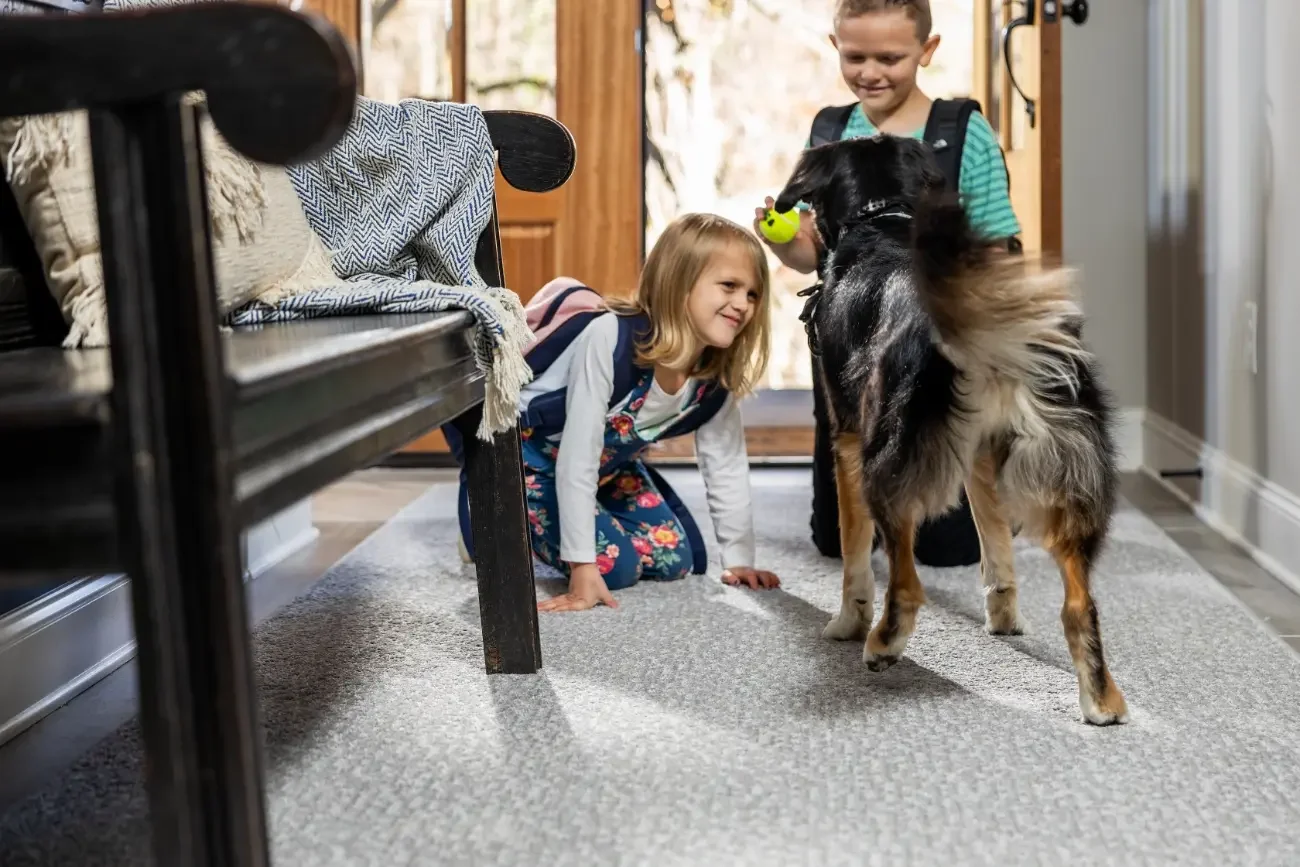
Kid-Safe Flooring Starts With Real-Life Priorities
If you’ve ever watched a toddler wipe out mid-sprint or stepped on a surprise LEGO at 6 a.m., you already know playrooms and bedrooms need flooring that’s safe, comfortable, and easy to clean. And in Wisconsin, we also have the added fun of winter grit, wet boots, and dry indoor air
At Harmony Flooring in Madison, we help families across Verona, Middleton, Sun Prairie, Fitchburg, Waunakee, Monona, McFarland, Cottage Grove, and nearby towns choose floors that hold up to childhood and still look great years later. Here’s an in-depth guide to the best kid-safe flooring options for playrooms and bedrooms, with specific pros and cons for each product type.
What “Kid-Safe” Flooring Really Means
Before picking a material, it helps to define the goals. Most families want a floor that checks these boxes:
- Cushion and comfort: Less impact when kids fall, warmer underfoot in winter.
- Slip resistance: Especially for socks-on-hard-floor situations.
- Easy cleaning: Spills, crumbs, markers, slime, and paint happen.
- Low stress durability: Resists scratches, dents, and wear from toys and rolling chairs.
- Healthy indoor air: Low odor products and low-emission materials are a big plus in bedrooms.
- Noise control: Softer, quieter floors help the whole house.
No one product is “best” at everything. The smartest approach is choosing based on the room’s main job: messy play, quiet sleep, or both.
Best Flooring for Playrooms and Bedrooms, Product by Product
Luxury Vinyl Plank (LVP) and Rigid Core Vinyl
Best for: Playrooms, main-level family spaces, basement playrooms, kid bedrooms with frequent spills
LVP is one of the most parent-friendly floors out there because it’s tough, forgiving, and simple to maintain.
Pros
- Easy cleanup: Wipes up snacks, juice, paint drips, and most kid messes fast.
- Water-resistant options: Great for basements, near bathrooms, or homes with constant spills.
- Durable wear layer: Handles toy traffic, chair movement, and general chaos.
- Comfortable compared to tile: Warmer and slightly softer underfoot than ceramic or porcelain.
- Style range: Wood looks, modern neutrals, even “tile look” without grout
Cons
- Not the softest: Kids can still slip in socks. Add a rug in the main play zone.
- Dents can happen: Very heavy furniture or a hard drop can leave marks, especially on lower-end products.
- Cheaper LVP can look worn faster: Quality matters, especially in a busy playroom.
What to look for (parent-friendly specs)
- A thicker wear layer for high-traffic rooms.
- A textured or matte finish to help hide scuffs and improve traction.
- A quality underlayment for sound reduction and comfort, especially on second floors.
Best Harmony Flooring tip:
If your playroom is in a basement in Madison or Middleton, LVP is usually a top pick because it handles moisture better than wood-based products and still feels comfortable.
Carpet (Wall-to-Wall)
Best for: Bedrooms, cozy playrooms, upstairs spaces where noise matters
Carpet is still the comfort champion for kids. It’s warm, soft, and quiet.
Pros
- Soft landing: Great for toddlers learning to walk and kids who play on the floor.
- Warmth in Wisconsin winters: Bedrooms feel cozier and more comfortable.
- Noise control: Reduces echoes and footstep noise in multi-level homes.
- Softer sound environment: Helps playrooms feel calmer.
Cons
- Stains and spills: Manageable, but you need the right style and cleaning habits.
- Allergens and dust: Carpet can hold onto particles if vacuuming is inconsistent.
- Matting in traffic paths: Some carpets show wear faster in “run lanes” or around beds
What to look for (kid-smart carpet choices)
- Textured or patterned styles that hide footprints, vacuum marks, and traffic lanes.
- A quality cushion/pad for comfort and longer carpet life.
- A color that’s realistic for your household. Mid-tones and flecks tend to hide daily life best.
Best Harmony Flooring tip:
For bedrooms in Sun Prairie, Fitchburg, and Waunakee homes, carpet is often the best way to make winter mornings less brutal. Pair it with a good vacuum routine and you’re set.
Carpet Tile
Best for: Playrooms, bonus rooms, finished basements, craft rooms, mixed-use kid spaces
Carpet tile is a sleeper hit for families because it blends comfort with easy repairs.
Pros
- Replaceable tiles: If one area gets stained, you can swap individual tiles instead of replacing the whole floor.
- Comfort and sound control: Similar benefits to carpet.
- Great for “zones”: You can mix colors or patterns and create play areas visually.
Cons
- Seams can show: Depending on style, you may notice tile edges in certain lighting.
- Not every carpet tile is equally soft: Some are designed more for durability than plush comfort.
- Professional installation is key: Proper prep makes a big difference in how it looks long term.
What to look for
- A comfortable, dense product with a texture that hides dirt.
- A color and pattern that won’t show every crumb.
Best Harmony Flooring tip:
If you want a playroom that can survive a craft phase, a slime phase, and a “learning to eat cereal” phase, carpet tile is one of the most practical options
Cork Flooring
Best for: Bedrooms, playrooms, reading rooms, quiet spaces, homes wanting a warmer hard surface
Cork is naturally comfortable and has a soft “give,” which makes it feel kid-friendly without being carpet.
Pros
- Softer underfoot: More cushion than hardwood or laminate.
- Warmer feel: Comfortable in cooler Wisconsin seasons.
- Quieter: Absorbs sound better than many hard surfaces.
- Unique look: Warm, natural style that works in modern and cozy homes.
Cons
- Can dent: Heavy furniture, sharp toys, or high heels can leave marks.
- Needs the right finish: Quality sealing helps protect against spills and stains.
- Sunlight can change color: Rooms with lots of direct sun may see some natural variation.
What to look for
- A strong factory finish and good sealing strategy for your room.
- Felt pads under furniture, always.
Best Harmony Flooring tip:
Cork is a great “middle ground” for parents who want something warmer and softer than vinyl, but easier to maintain than carpet.
Rubber Flooring
Best for: Dedicated playrooms, home gyms that kids use, sensory rooms, basement activity spaces
Rubber is common in gyms and schools for a reason. It’s built for impact and movement.
Pros
- Excellent traction: Helps reduce slipping.
- Impact absorption: Great for climbing toys, tumbling, and high-energy play.
- Durable and resilient: Holds up to rough play and dropped items.
- Quieter than hard surfaces: Helps with sound control.
Cons
- Style is more limited: It looks like rubber, even in designer options.
- Can have a noticeable odor initially: This typically improves over time, but it’s worth discussing before installing in bedrooms.
- Cost can vary a lot: Depending on thickness and quality.
What to look for
- A thickness that matches your use. Heavier play or gym use usually benefits from thicker rubber.
- Good edge and transition detailing for safety and cleaning.
Best Harmony Flooring tip:
If your kids’ playroom includes heavy activity or sensory play, rubber can be one of the safest and most durable floors you can install.
Laminate Flooring
Best for: Kid bedrooms, teen rooms, playrooms where water exposure is low
Laminate is popular for scratch resistance and value. It can be kid-friendly with the right expectations.
Pros
- Very scratch resistant surface: Great for toy traffic and rolling desk chairs.
- Affordable wood look: Good visuals at a strong value.
- Easy routine cleaning: Vacuum and damp mop.
Cons
- Moisture sensitivity varies: Standing water is still something to avoid.
- Feels harder than LVP: Less forgiving for falls.
- Noise: Can sound “clicky” without proper underlayment and rugs.
What to look for
- Water-resistant laminate options if the room is spill-prone.
- An underlayment that improves sound and comfort.
Best Harmony Flooring tip:
Laminate can be great in bedrooms and older kids’ spaces. For toddler playrooms with frequent spills, we usually steer families toward LVP or carpet tile.
Engineered Hardwood
Best for: Bedrooms, upstairs living spaces, homes wanting real wood with better stability
If you want real wood and a kid-friendly plan, engineered hardwood can work, especially in lower-mess rooms.
Pros
- Real wood beauty: Warm and timeless.
- More stable than solid wood: Helpful in Wisconsin’s seasonal humidity swings.
- Works with area rugs: Rugs add softness and protect the main play zones.
Cons
- Scratches happen: It’s real wood. You’ll see wear over time in busy kid areas.
- Moisture risk: Spills need to be cleaned promptly.
- Not every engineered floor can be refinished: Depends on the thickness of the top layer.
What to look for
- A tougher factory finish.
- A texture that hides minor wear better than glossy smooth boards.
Best Harmony Flooring tip:
Engineered hardwood is often a better fit for kid bedrooms than full-time playrooms. If you love wood everywhere, we’ll help you plan rugs and entry protection so it ages gracefully.
Room-by-Room Recommendations for Wisconsin Families
Best Playroom Floors
- LVP or rigid core vinyl for the easiest cleanup and strong durability
- Carpet tile for comfort plus replaceability
- Rubber flooring for high-energy play and safety
- Cork for quieter playrooms where comfort matters
Best Bedroom Floors for Kids
- Carpet for warmth, quiet, and comfort
- LVP for kids who spill everything and have pets in the room
- Laminate for scratch resistance and value (lower spill zones)
- Engineered hardwood + rug for a more elevated look
Parent-Approved Add-Ons That Make Any Floor Safer
No matter what you choose, these details make a big difference:
- Area rugs in play zones: Softer landings and less slipping. Choose a rug pad that works with your flooring type.
- Soft-close felt pads on furniture: Prevents scratches and reduces noise.
- Entry mats and boot management: Especially in winter. Grit is a major cause of wear.
- Rounded transitions: Safer transitions between rooms and less tripping risk.
- Easy-clean baseboards: Helpful in playrooms and snack zones.
Common Questions Parents Ask
What is the safest flooring for toddlers?
For pure fall-friendly comfort, carpet is hard to beat. For easy cleaning with good durability, LVP with a large rug is an excellent modern alternative.
What flooring is best if my kids have allergies?
Many families prefer hard surfaces for easier dust removal, paired with washable rugs. If you love carpet, consistent vacuuming and periodic deep cleaning help a lot
What is best for a basement playroom in Wisconsin?
Basements often do best with LVP/rigid core vinyl, carpet tile, or rubber, depending on moisture and how the space is used.
The Takeaway: The Best Kid-Safe Flooring Is the One That Matches Your Mess Level
If your playroom is a craft zone, snack zone, and race track, lean toward LVP, carpet tile, or rubber. If you want warm, quiet bedrooms, carpet is still a top choice. If you want a natural, comfortable hard surface, cork is worth a look. And if you want real wood, engineered hardwood + rugs is the best “kid plan.”
Ready to Build a Kid-Friendly Space That Still Looks Great?
If you’re in Madison, Verona, Middleton, Sun Prairie, Fitchburg, Waunakee, Monona, or nearby Wisconsin communities, Harmony Flooring can help you compare kid-safe options in person and pick a solution that fits your home, your budget, and your day-to-day life.
Visit our Madison showroom or schedule a consultation with Harmony Flooring. We’ll help you create floors that are comfortable, durable, and truly Covering Every Detail.